

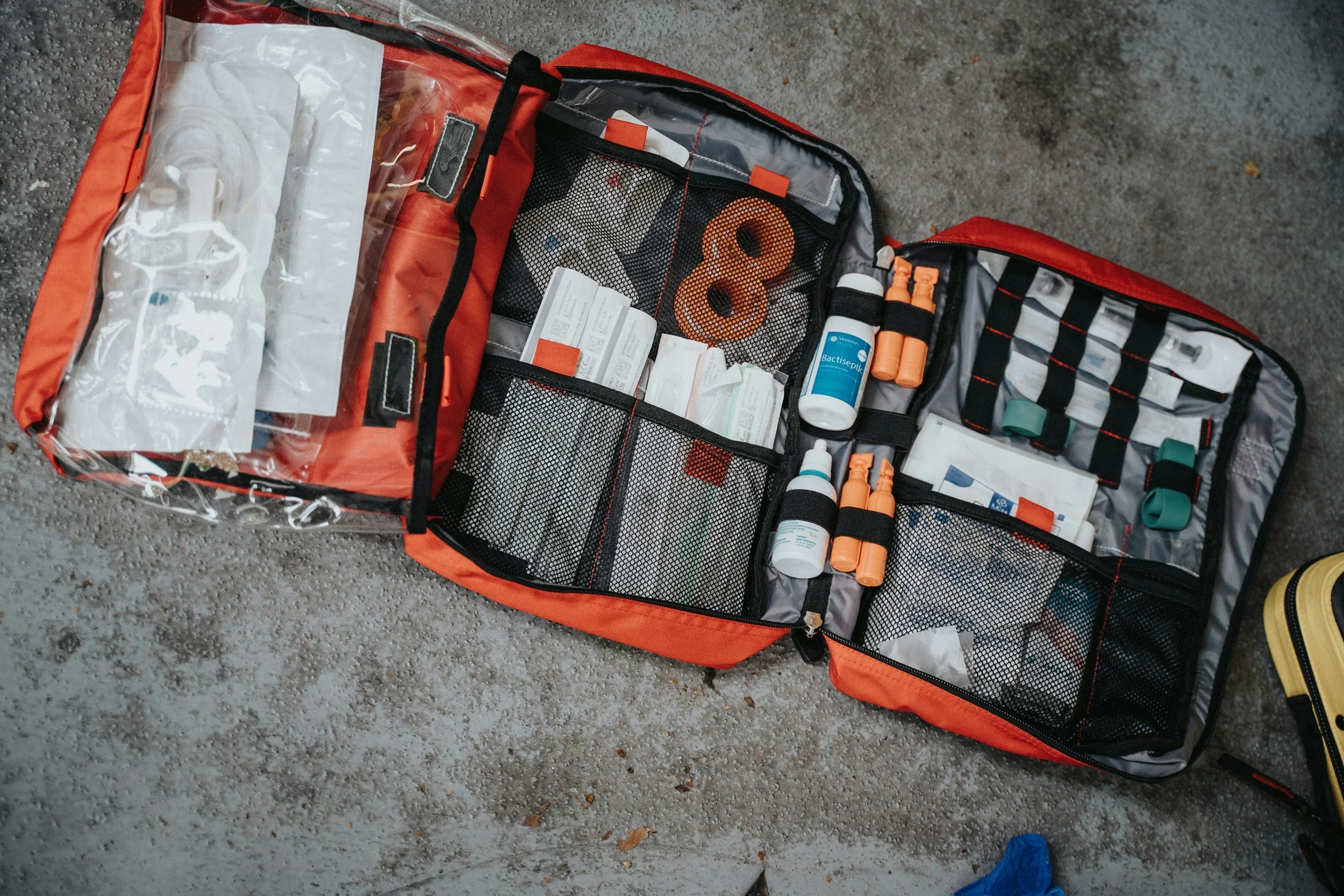
Beyond Adhesive Bandages: Why Standard First Aid Boxes Fail Industrial Severe Bleeding Emergencies (29 CFR 1910.151 & ANSI Z308.1 Class B)
In metal stamping shops, high-speed automated warehouses, and civil construction sites across Nashville, Murfreesboro, and Smyrna, a laceration from structural steel or a machinery shear is not a minor cut. Uncontrolled arterial hemorrhage can lead to irreversible shock and death in as little as 3 minutes—long before EMS arrives. Discover why ANSI Z308.1 Class B trauma kits and hands-on AHA First Aid training are vital for compliance and life safety.

The 10-Second Flush: Forklift Battery Room Hazards & OSHA Eyewash Violations Middle Tennessee Facilities Overlook (29 CFR 1910.178 / 1910.151)
Transitioning from internal combustion to electric lift truck fleets reduces indoor emissions across Nashville, Murfreesboro, and Smyrna, but it introduces severe chemical and explosive hazards. Between boiling sulfuric acid electrolyte and explosive hydrogen off-gassing, forklift charging bays face intense scrutiny during TOSHA inspections. Discover how to audit your 10-second eyewash travel distance, PPE setups, and ventilation systems.

The 5-Minute Forklift Pre-Shift Inspection: How Nashville Warehouses Cut Costs, Protect Lives, and Stay OSHA-Compliant (29 CFR 1910.178)
Skipping a forklift circle-check takes seconds, but a failed hydraulic line or faulty brake can cost your facility tens of thousands in OSHA fines, worker injury settlements, and emergency fleet repairs. Across high-throughput fulfillment centers and manufacturing plants in Nashville, Murfreesboro, and Smyrna, documented daily inspections are your front-line legal and financial defense. Discover the critical inspection differences between electric and propane lift trucks.
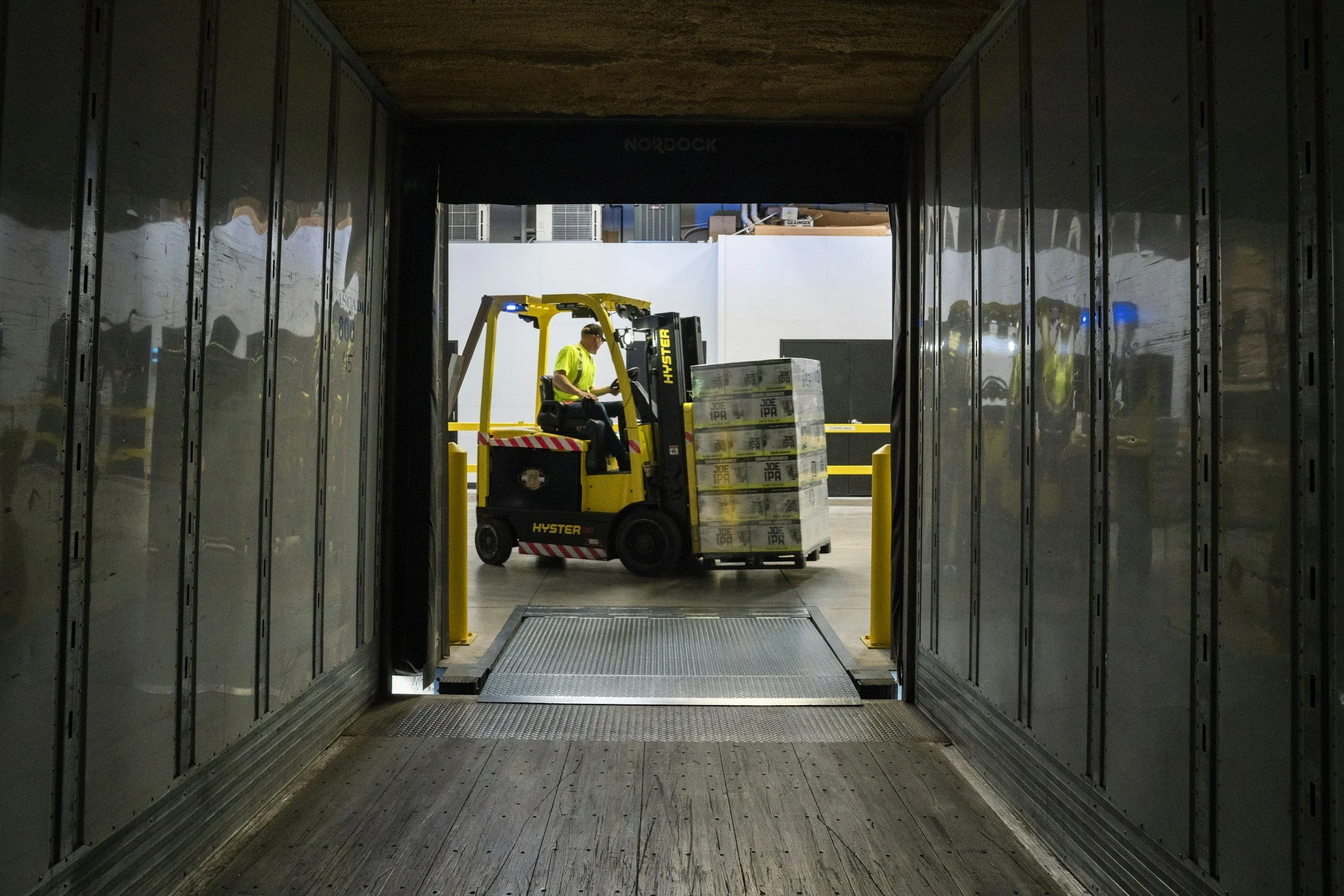
Beyond "Winging It": Why Middle Tennessee Facilities Are Investing in Forklift & MEWP Train-the-Trainer Certification
When high turnover hits your warehouse or your veteran trainer leaves, how does your company certify new equipment operators? Far too often, companies rely on "informal shadowing"—passing bad driving habits down like tribal knowledge. Under OSHA 1910.178 and ANSI A92, uncertified trainers expose employers to severe willful citations. Discover how Southeast Safety Partners (SSP) helps Middle Tennessee operations build audit-proof in-house trainers.
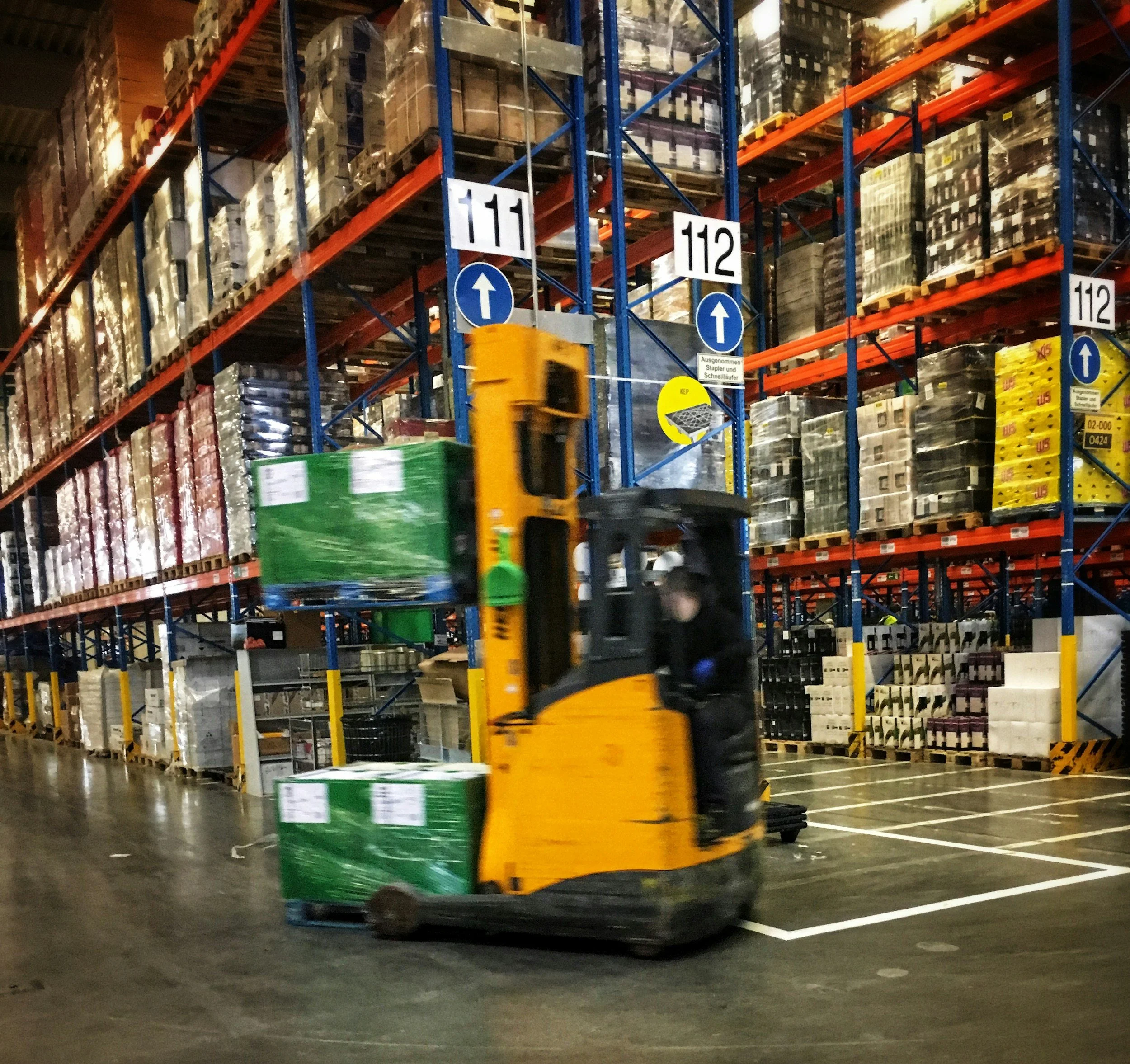
Forklift vs. Foot Traffic: Designing an Audit-Ready Warehouse Pedestrian Safety Plan (29 CFR 1910.178)
In high-velocity fulfillment centers and manufacturing plants across Nashville, Murfreesboro, and Smyrna, thousands of pounds of moving steel share tight aisle space with order pickers and maintenance technicians. Under OSHA 29 CFR 1910.178, relying on painted floor lines alone fails to protect workers from blind-spot strikes. Discover how to engineer physical barriers, blue-spot lighting, and positive-contact protocols to audit-proof your facility.
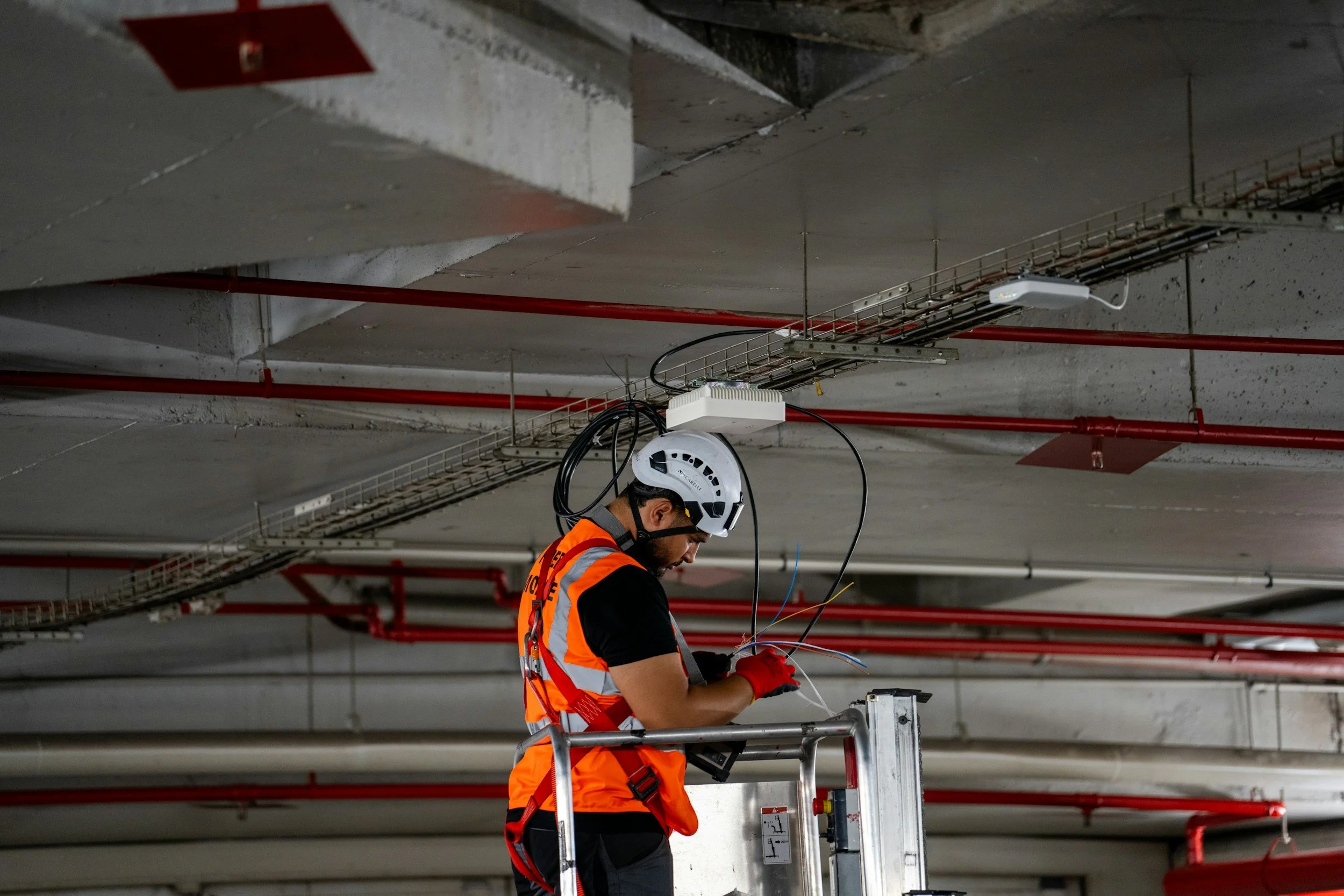
Boom vs. Scissor Lift: The Fall Arrest & Harness Mistakes Middle Tennessee Crews Make (29 CFR 1926.453)
Operating mobile elevating work platforms (MEWPs) across commercial builds, mechanical retrofits, and warehouse facilities in Nashville, Murfreesboro, and Smyrna introduces complex fall and tip-over risks. Many contractors confuse fall arrest requirements between boom lifts and scissor lifts or overlook the "catapult effect." Discover the exact OSHA and ANSI mandates needed to protect your crew and pass your next site safety audit.
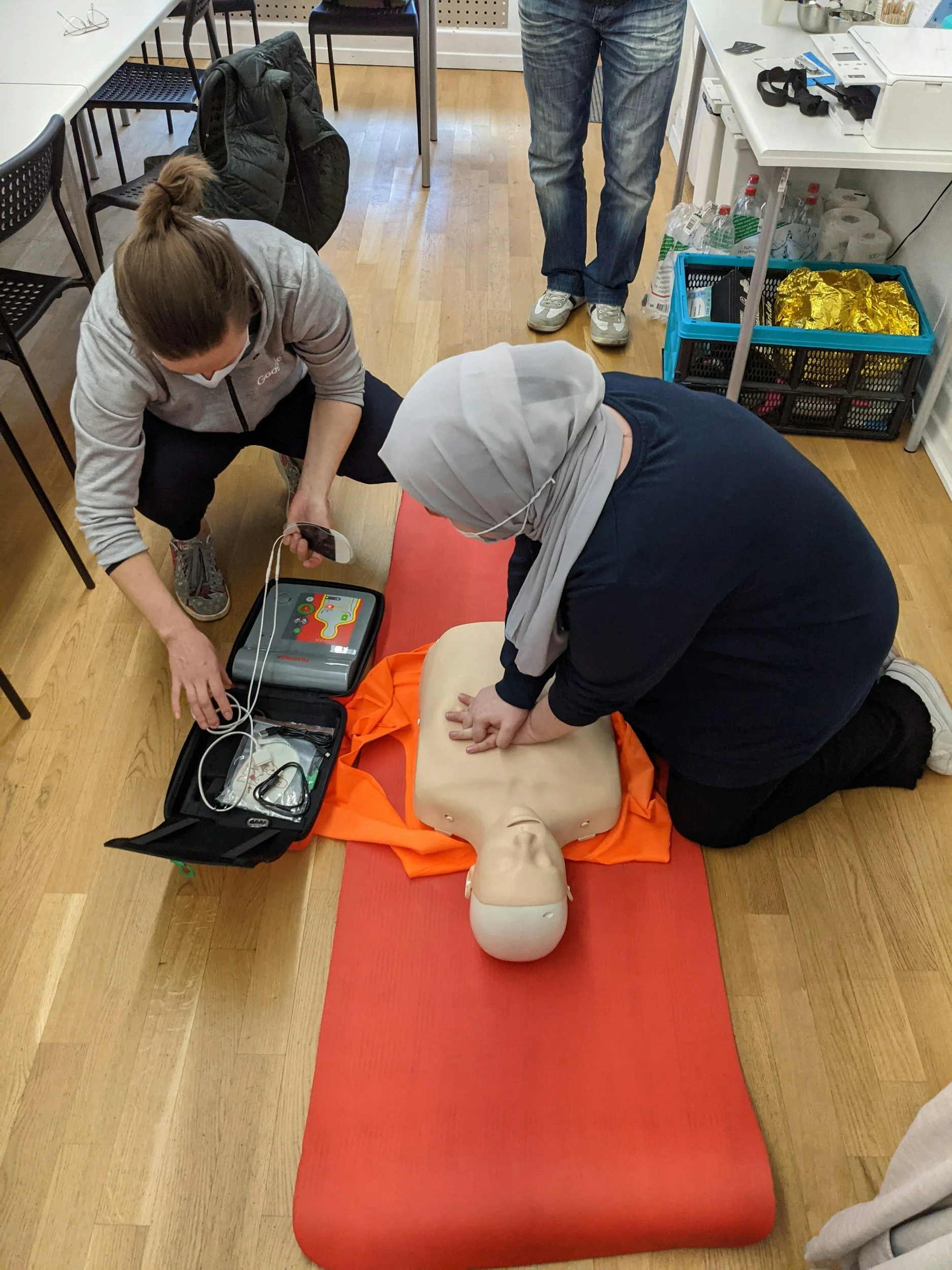
The "cheap Public CPR Class" Is Costing Your Facility Double. Here’s the Math.
When recertification time arrives, sending employees one by one to public weekend or evening CPR classes seems like a straightforward solution. In reality, off-site training drains company resources through hidden travel expenses, mileage reimbursements, lost billable hours, and scheduling conflicts. Discover the real financial breakdown between public off-site sessions and mobile on-site training for businesses in Nashville, Murfreesboro, and Smyrna.
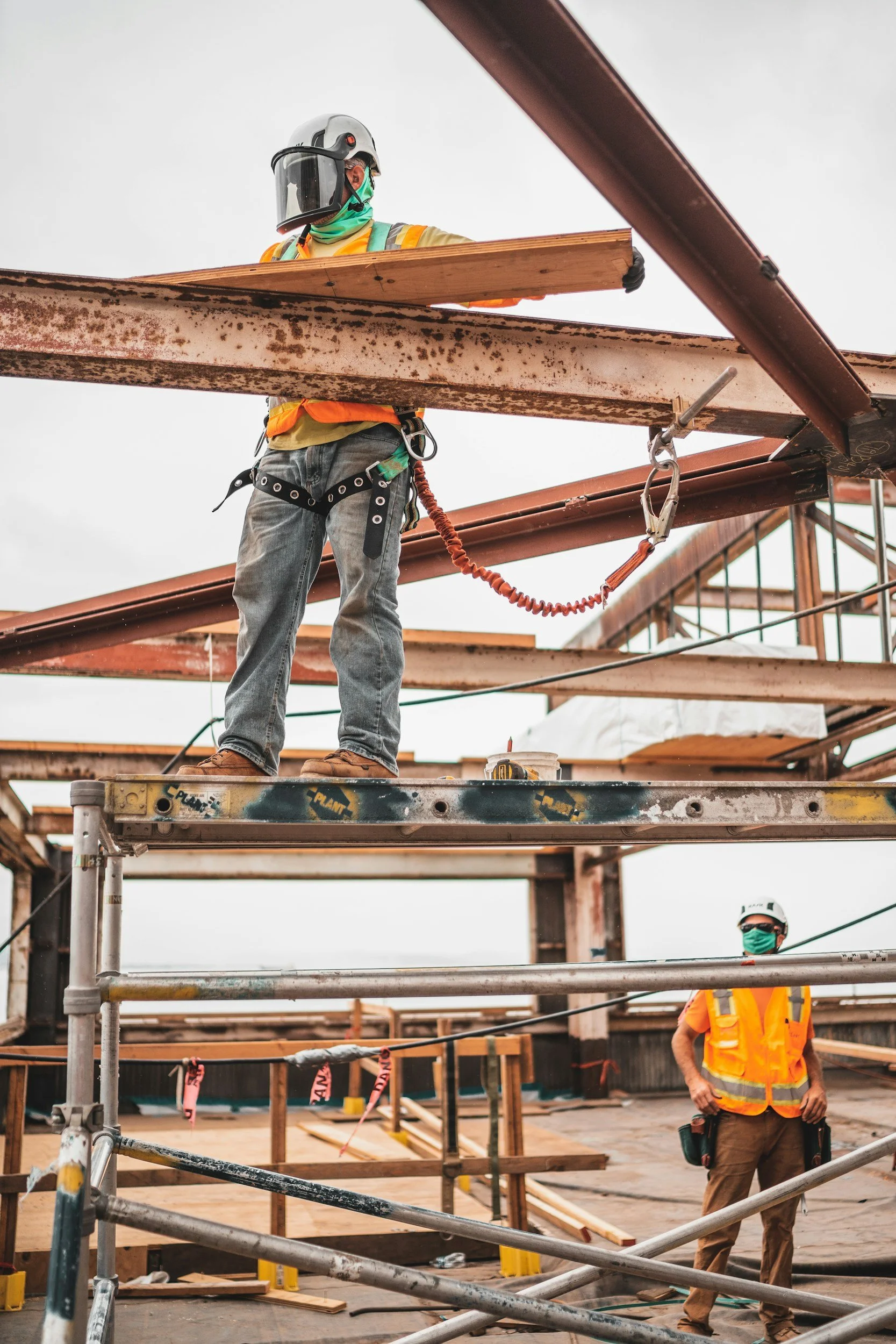
Think a 6-Foot Lanyard Protects You at 12 Feet? Run the Math Again.
Falls remain the #1 cause of construction fatalities nationwide. On active job sites in Nashville, Murfreesboro, and Smyrna, workers routinely tie off with 6-foot shock-absorbing lanyards while working at 10 to 14 feet—unaware that total fall clearance requires up to 17.5 feet of open space below them. Discover the exact math behind fall arrest systems, anchor point requirements, and how to keep your site audit-ready.

Corporate & Logistics CPR/AED Training: Shift-Friendly Scheduling & Emergency Action Plans for Middle Tennessee Facilities (29 CFR 1910.151)
Most facilities in Nashville, Murfreesboro, and Smyrna maintain strong daytime CPR coverage, but leave 2nd, 3rd, and weekend shifts completely exposed during medical emergencies. Under TOSHA and OSHA 1910.151, medical response within 3–4 minutes is mandatory across all active operational hours. Discover how to structure shift-friendly on-site certification without halting production.
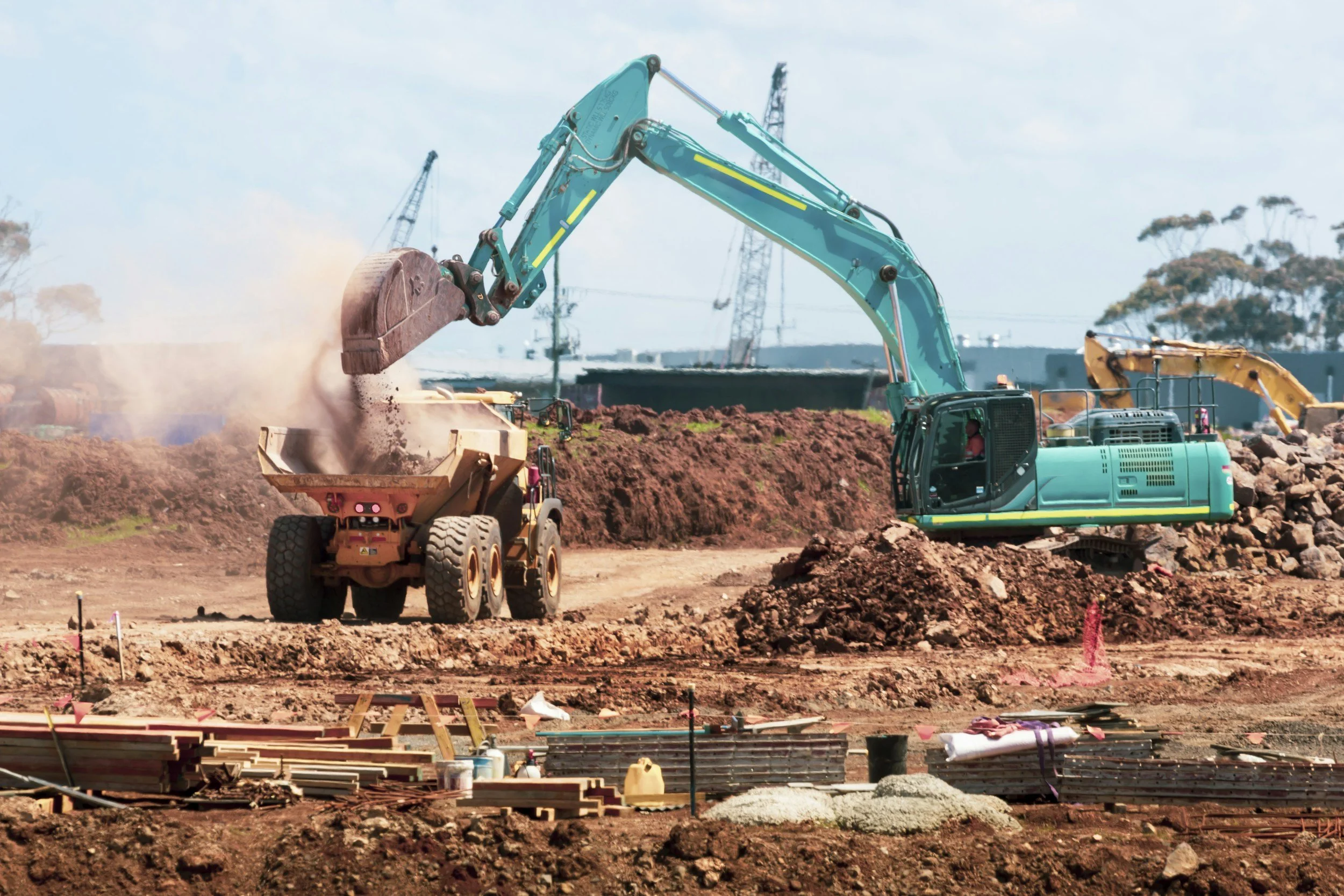
Beyond High-Vis: The Struck-By & Equipment Swing Radius Hazards Middle Tennessee Contractors Miss (29 CFR 1926)
Struck-by injuries account for roughly 1 in 5 construction fatalities nationwide. On fast-moving jobsites across Nashville, Murfreesboro, and Middle Tennessee, throwing on a high-visibility vest is not enough to protect ground workers from excavators, skid steers, and backing trucks. Discover why 29 CFR 1926 mandates positive communication, mechanical swing radius barricades, and how to keep your site audit-ready. (

Why Live safety training always beats online modules.
When project schedules tighten across Middle Tennessee job sites, turning to cheap 30-minute online safety courses feels like an easy operational fix. They cost twenty dollars, check an internal HR box, and let workers click through slides on a phone.
There is just one problem: checking a digital box is not the same as protecting a human life.
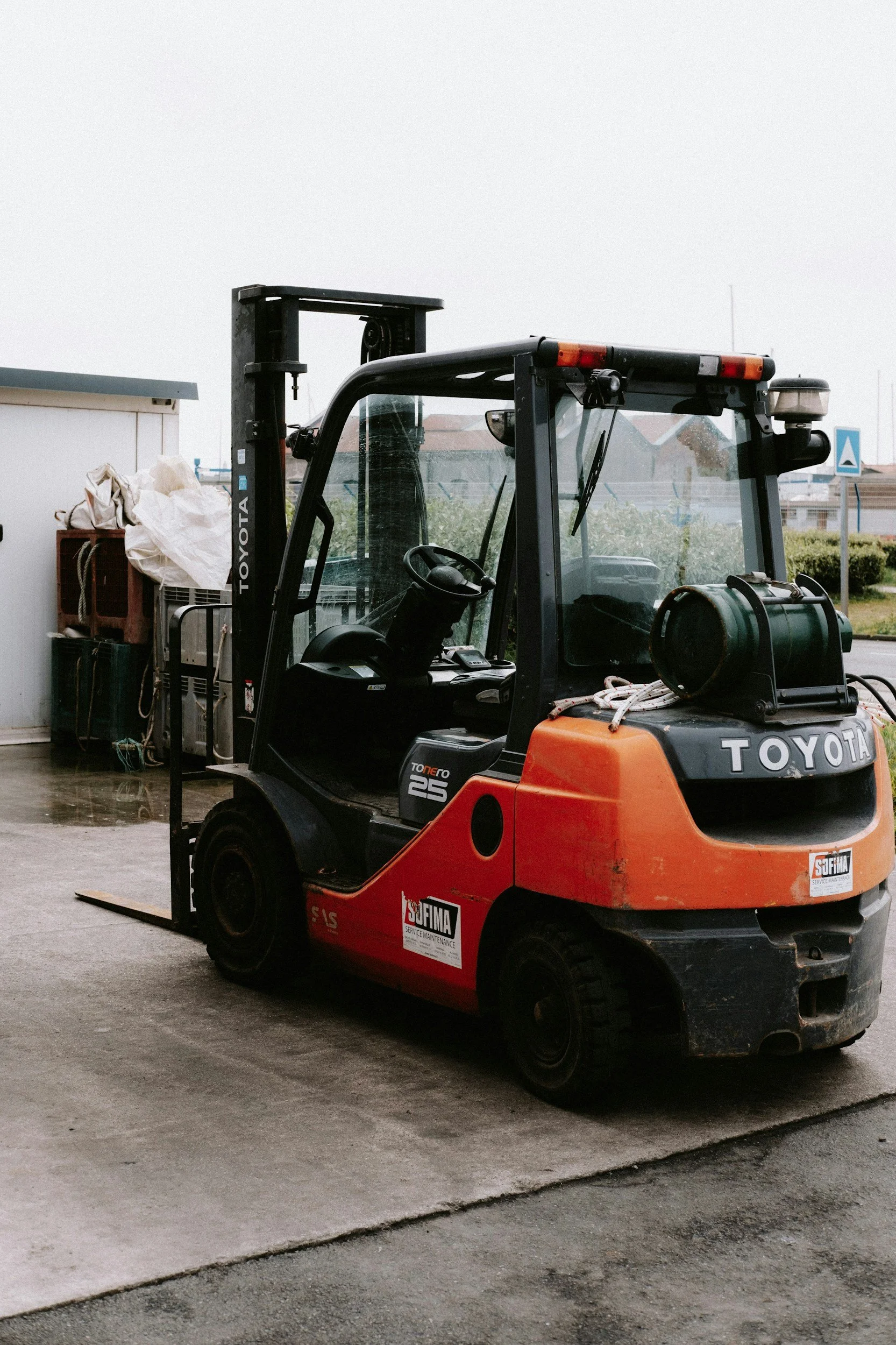
Electric vs. Propane Forklifts: The Daily OSHA Maintenance & Battery Safety Protocols Middle Tennessee Facilities Overlook (29 CFR 1910.178)
Operating forklifts in a busy warehouse or fabrication facility means managing distinct mechanical and chemical hazards. Under 29 CFR 1910.178, inspecting an electric sit-down truck requires completely different safety steps than checking a propane-powered lift. Discover the critical maintenance checks, battery charging ventilation rules, and LPG leak protocols needed to keep your Nashville, Murfreesboro, or Smyrna site audit-ready.
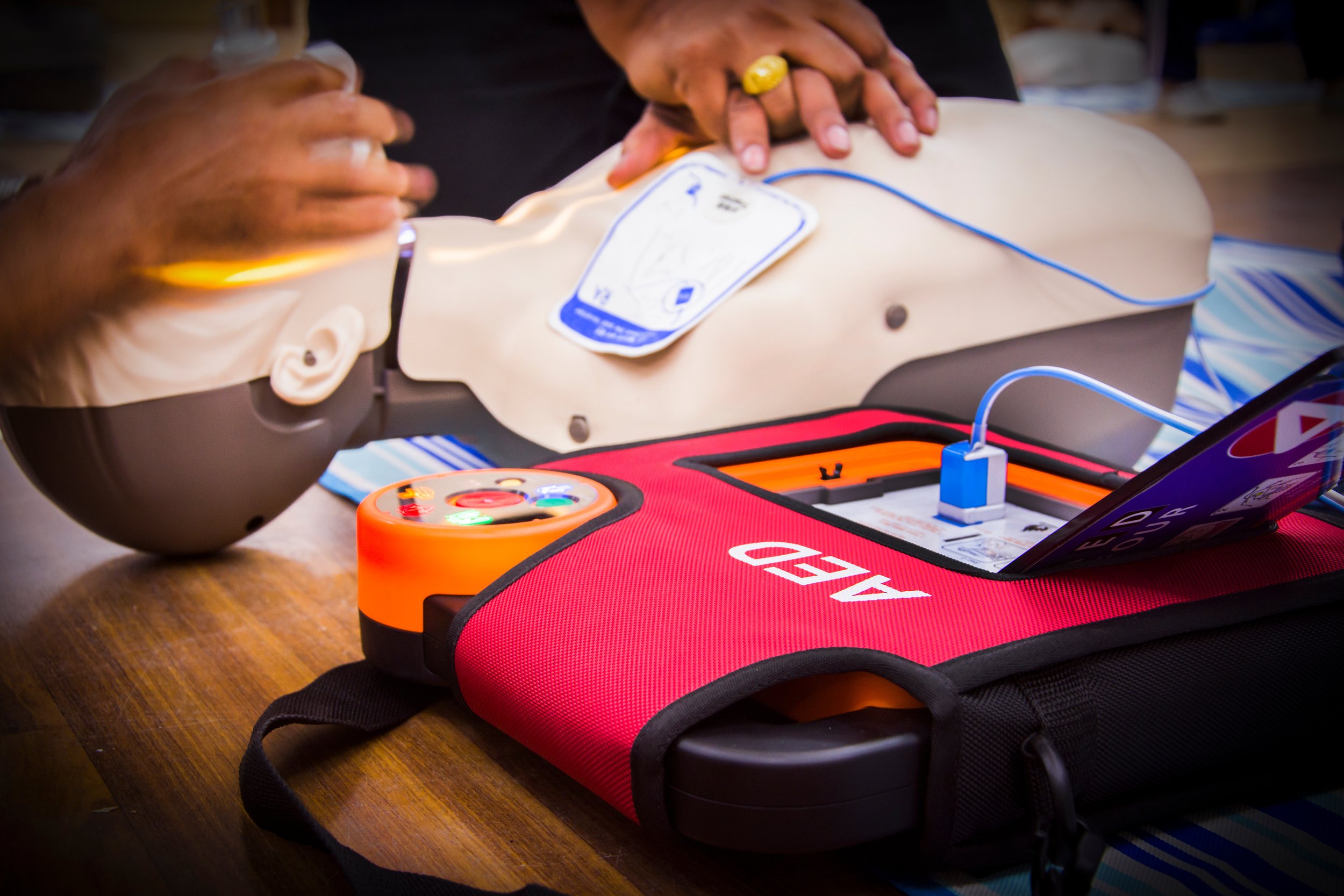
Why Click-Through CPR Cards Fail OSHA Audits: The Truth About Online vs. Hands-On Workplace Certification
With digital convenience at an all-time high, many employers purchase quick 30-minute online CPR courses to satisfy safety checklists. However, when TOSHA or federal OSHA auditors review your credentials, online-only certificates without practical skills testing are routinely rejected. Discover why hands-on psychomotor verification is legally required and how to keep your Nashville, Murfreesboro, or Smyrna facility audit-ready.
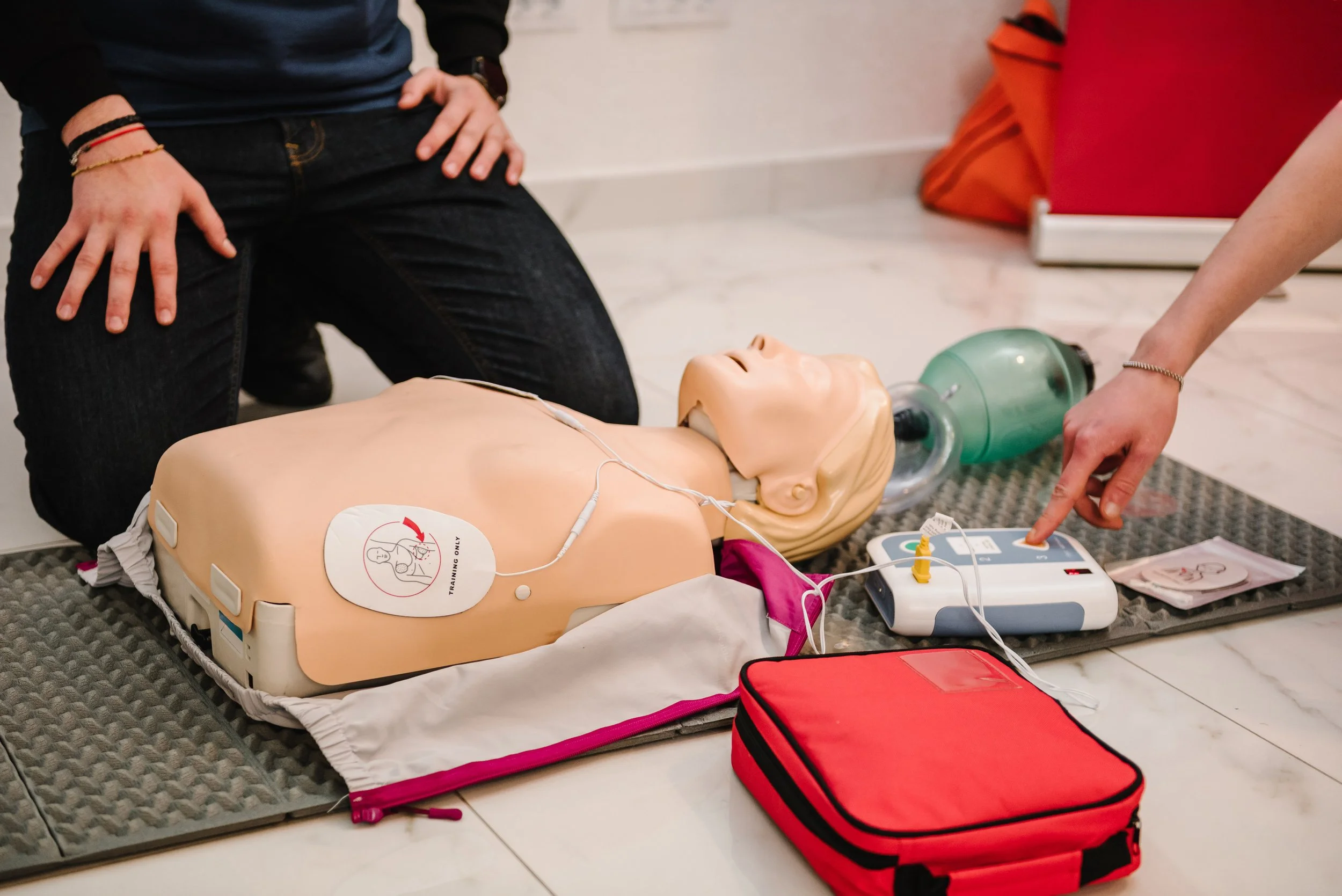
Finding the Right CPR training for your workplace, a definitive guide.
Learn how to ensure OSHA and TOSHA compliance for your Middle Tennessee business. This comprehensive guide covers AHA BLS, Pediatric, and Heartsaver CPR & First Aid tracks, explaining how mobile on-site training keeps your crew certified with zero operational downtime.
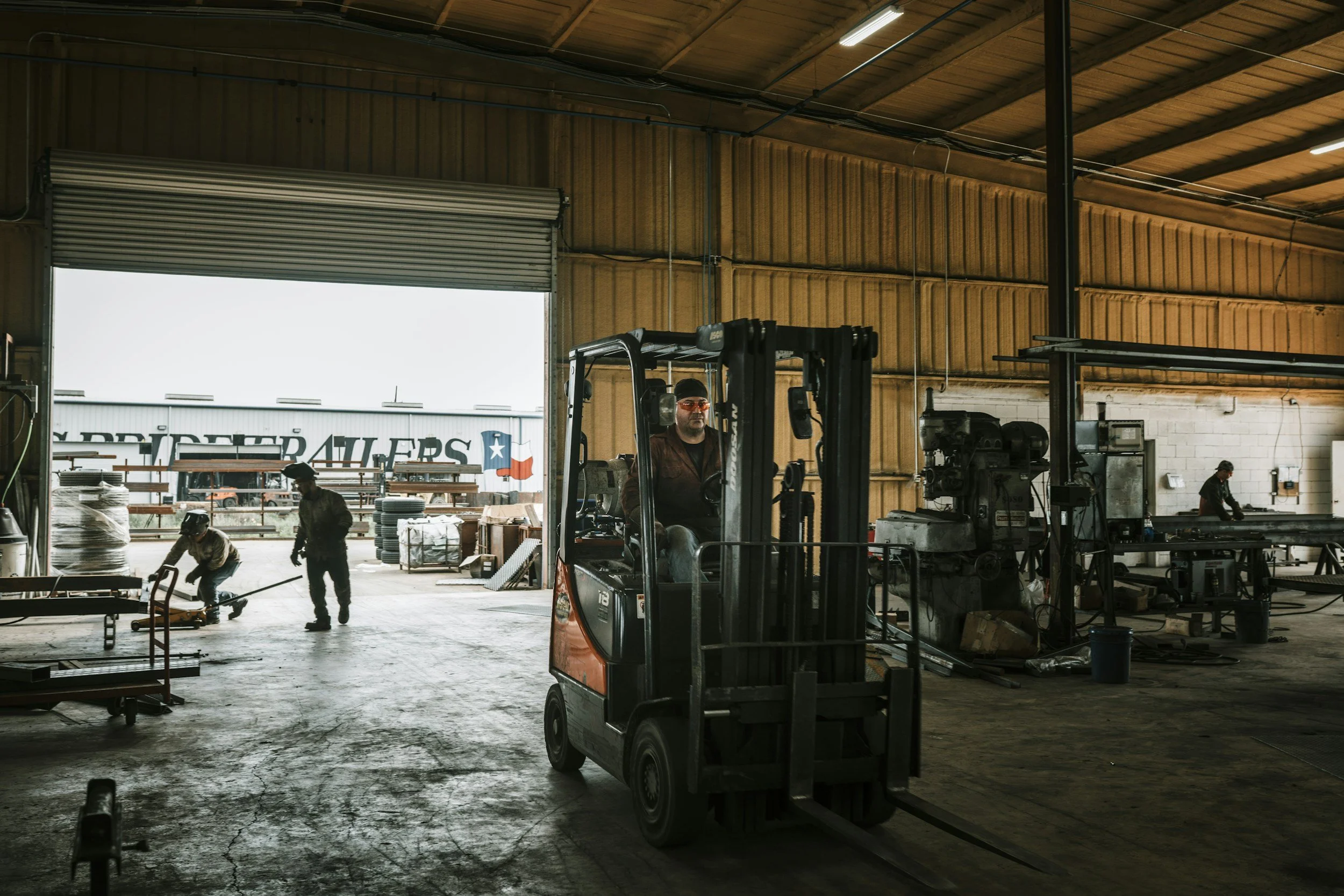
Understanding the sticker price on an OSHA violation and how you can save money.
A serious OSHA violation can carry a maximum penalty of over $16,000, but hardly any small business pays full price. Learn how OSHA's serial penalty reduction formula works—and how business size, clean inspection history, and documented, hands-on safety training can slash your citations by more than 80%.

Pediatric CPR & First Aid for Middle TN Childcare Providers: Meeting TN DHS Standards
Stay fully licensed and audit-ready with our guide to TN DHS pediatric CPR and first aid requirements. Learn how mobile, on-site American Heart Association training helps Middle Tennessee daycare directors and preschool educators get certified with zero classroom disruption.

The 3-Minute Rule: Why Calling 911 Fails TOSHA & OSHA Workplace CPR Compliance (29 CFR 1910.151)
Many employers assume that dialing 911 satisfies workplace emergency preparedness, but OSHA and TOSHA standard 29 CFR 1910.151 enforces a strict "3-to-4-minute response window" in facilities where serious accidents or sudden cardiac arrest can occur. Because average emergency medical services (EMS) dispatch and travel times in commercial or industrial zones routinely exceed 8 to 12 minutes, relying solely on outside first responders leaves companies completely non-compliant and workers unprotected.

OSHA & TOSHA CPR and First Aid for Warehouses and Industry in Middle Tennessee
Meet mandatory OSHA 1910.151 and TOSHA 3-to-4 minute emergency response standards across Middle Tennessee. Learn how on-site American Heart Association CPR, AED, and traumatic first aid training protects your plant floor, defeats digital fatigue, and keeps multi-shift warehouse operations fully certified without downtime.
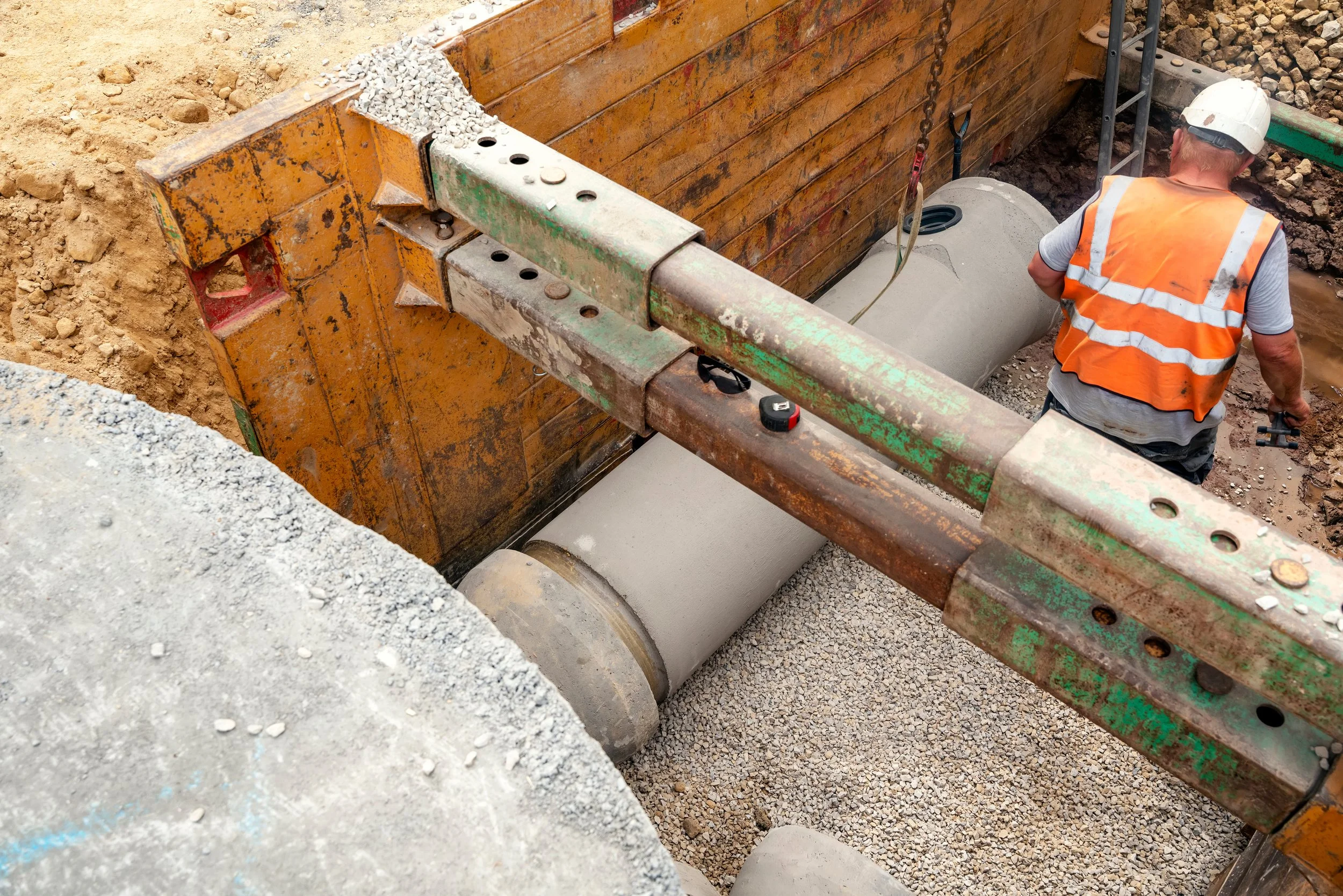
The 5-Foot Trench Trap: What Middle Tennessee Utility & Earthwork Contractors Miss About OSHA Subpart P (29 CFR 1926.652)
One cubic yard of soil weighs roughly 3,000 pounds—the equivalent of a mid-size pickup truck. When an excavation fails, workers have zero time to react. Under 29 CFR 1926 Subpart P, excavation violations carry some of the steepest fines in the industry. Discover why standard 5-foot rules catch contractors off guard, how Middle Tennessee clay affects soil stability, and how to keep your site audit-ready
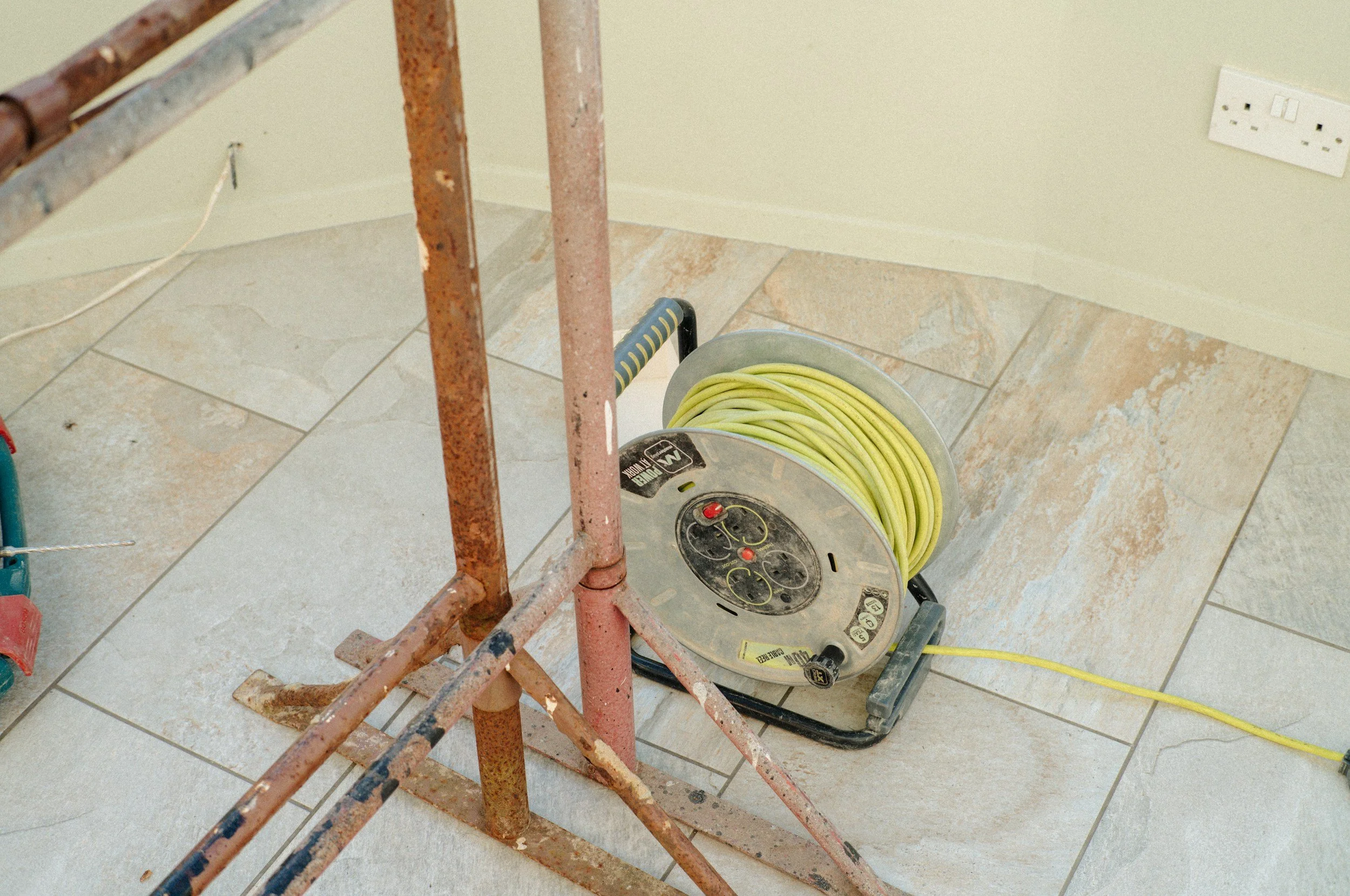
Beyond Extension Cords: The OSHA Subpart K Electrical Compliance Rules Middle Tennessee Contractors Overlook (29 CFR 1926.404)
Electrocution remains one of OSHA's deadly "Fatal Four" hazards on construction sites across Nashville, Murfreesboro, and Middle Tennessee. Under 29 CFR 1926.404, relying on standard permanent outlets or untested extension cords can trigger immediate citations. Learn the exact requirements for GFCI protection versus an Assured Equipment Grounding Conductor Program (AEGCP) and how to keep your temporary power setup audit-ready.