

Why Click-Through CPR Cards Fail OSHA Audits: The Truth About Online vs. Hands-On Workplace Certification
In fast-paced manufacturing plants, logistics hubs, and construction sites across Nashville, Murfreesboro, Smyrna, and Williamson County, scheduling training without disrupting production is a constant challenge. It is tempting to assign workers a 45-minute, click-through online CPR video during downtime. However, when state (TOSHA) or federal OSHA compliance officers review credentials following an incident or audit, 100% online CPR cards are among the first items disqualified.
The Legal Standard: OSHA 29 CFR 1910.151(b)
Federal OSHA standard 29 CFR 1910.151(b) mandates that designated workplace first responders be "adequately trained to render first aid." OSHA’s formal Letters of Interpretation explicitly state that training programs must include a hands-on, practical skill demonstration component to be considered legally compliant.
- Zero physical manikin interaction or compression practice.
- Fails OSHA Letters of Interpretation regarding psychomotor skills.
- Leaves employees panicked and unprepared in real emergencies.
- Audit Result: Citation issued; Good Faith credit revoked.
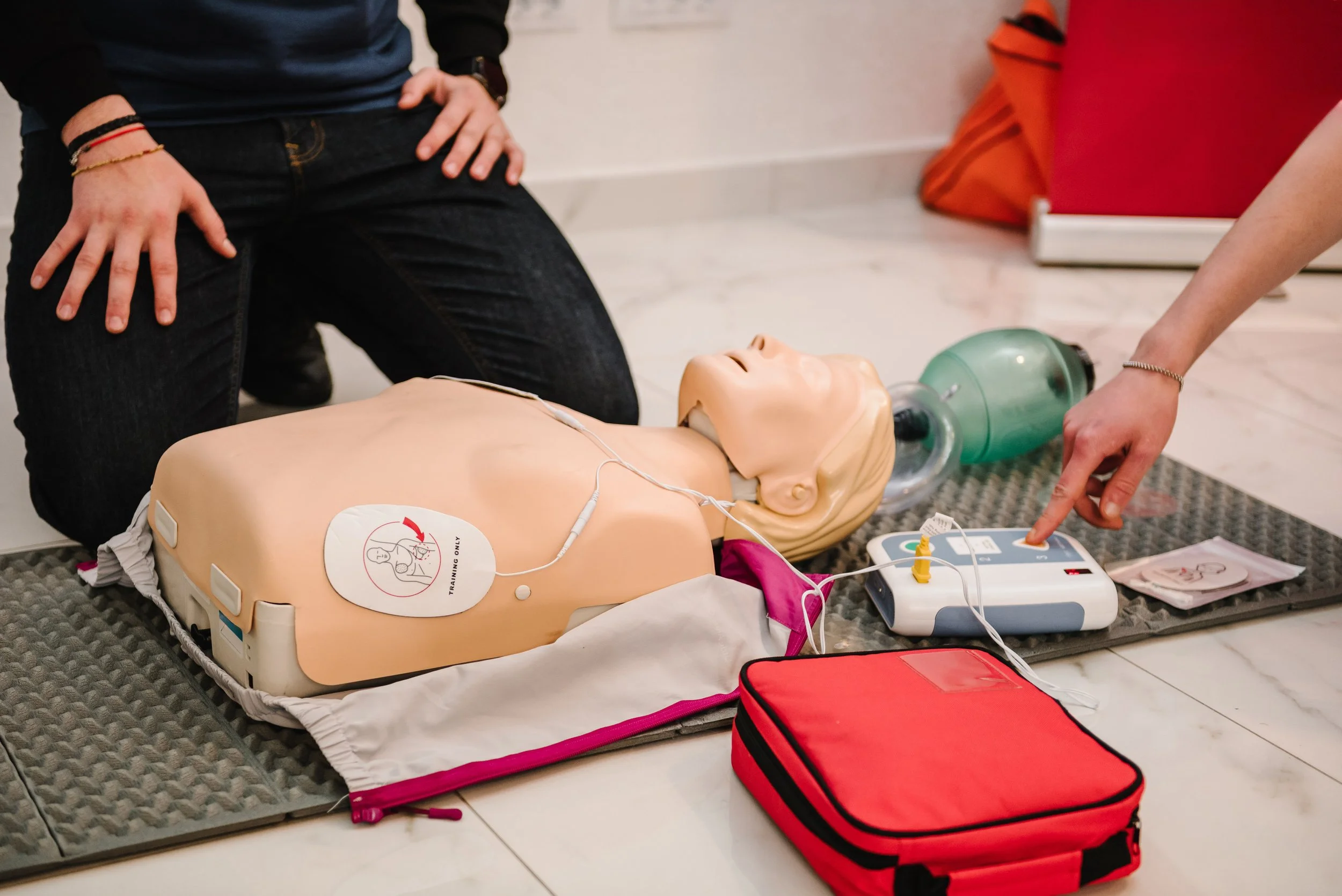
- Real-time electronic feedback manikins and live AED practice.
- Authorized instructor evaluation and instant correction.
- Builds true muscle memory under realistic workplace scenarios.
- Audit Result: 100% OSHA and TOSHA compliant.
3 Reasons "Click-Through" CPR Fails Compliance & Real Emergencies
1. OSHA’s Hands-On Psychomotor Skill Mandate
OSHA does not consider online-only training sufficient for first aid and CPR certification because life-saving skills require tactile muscle memory.
The Legal Rule: OSHA accepts blended learning (where lecture and cognitive testing are completed online), but in-person practical skills verification on a manikin with feedback devices is mandatory. If a course does not involve an authorized instructor observing chest compressions, rescue breaths, and AED pad placement in person, it does not meet OSHA's definition of adequate training.
2. Digital Fatigue and the False Sense of Security
Clicking through multiple-choice modules does not prepare an employee to manage real-life adrenaline during sudden cardiac arrest. Effective chest compressions require delivering 100 to 120 compressions per minute at a depth of 2.0 to 2.4 inches on an adult chest, allowing full chest recoil.
Without physical manikin practice, workers consistently under-compress, fail to open airways properly, or struggle to place AED pads correctly under pressure.

3. Heightened Liability and Workers' Compensation Exposure
If an uncertified or improperly certified employee delivers ineffective first aid during a workplace cardiac event, the employer may face severe regulatory penalties and heightened civil liability for failing to maintain a compliant emergency action program.
Training Format Comparison: Compliance & Retention
| Training Format | OSHA / TOSHA Compliance | Skill Retention & Readiness |
|---|---|---|
| 100% Online (No Manikin) | Non-Compliant (Fails Audits) | Extremely Low: No tactile feedback, muscle memory, or physical AED handling. |
| Blended Learning | Fully Compliant* | High: *Compliant only when paired with in-person instructor manikin evaluation. |
| On-Site Instructor-Led | Fully Compliant (Gold Standard) | Maximum: Immediate real-time feedback, collaborative scenario drills, and team readiness. |
How to Build a Streamlined, Compliant CPR Program
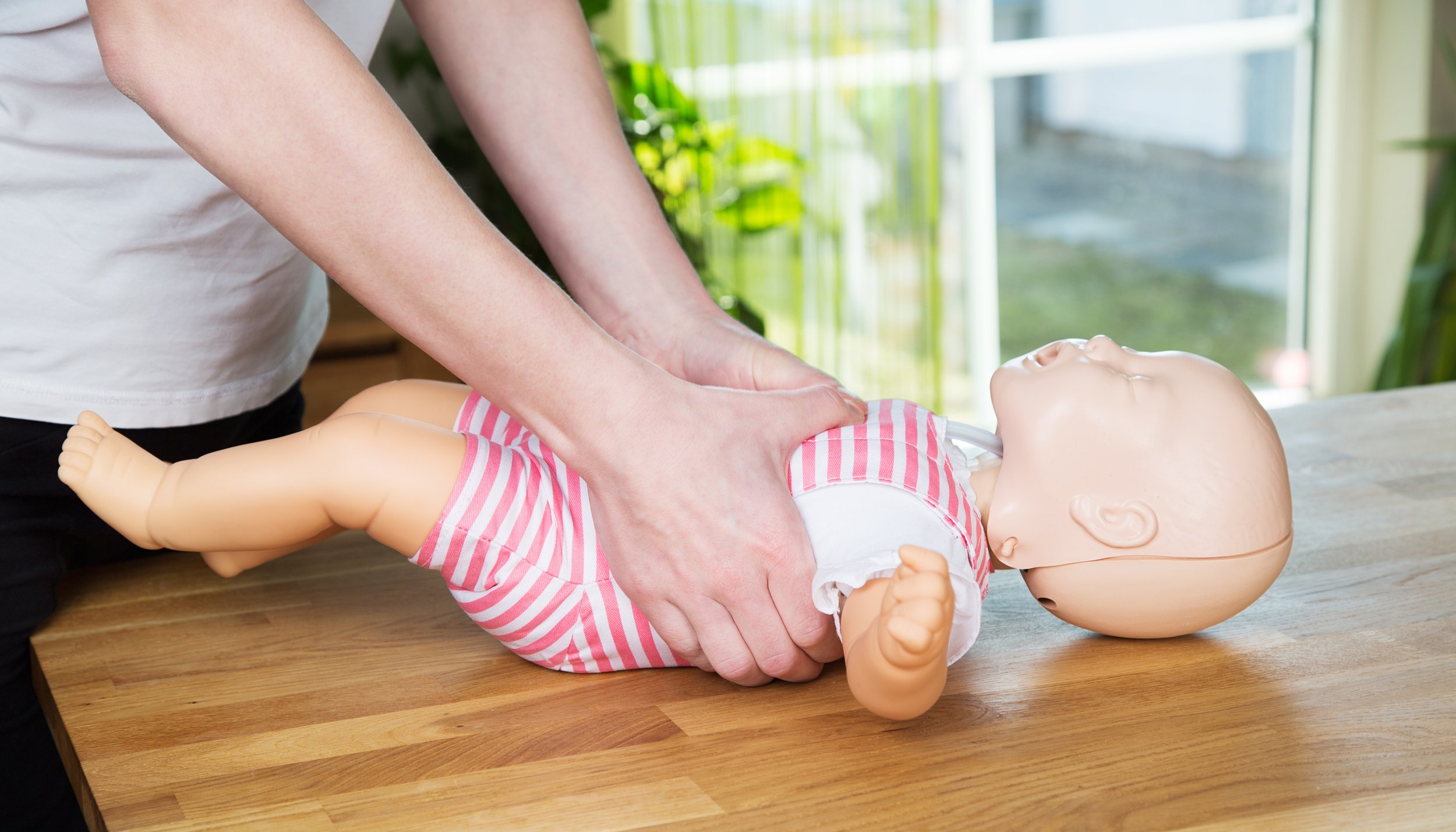
Choose training programs affiliated with recognized bodies, such as the American Heart Association (AHA), that issue verifiable digital completion eCards backed by in-person skill evaluations.
Instead of paying employees overtime or travel expenses to attend off-site public classes, schedule mobile, on-site certified instructors to train your team right on your facility floor or job trailer.
Ensure your 1st, 2nd, and 3rd shift crews each maintain designated, certified first responders on the floor at all times to satisfy the 3–4 minute emergency response window.
Audit-Proof Your Workplace Emergency Response
Do not let a cut-rate online certificate compromise your safety record. Partner with Southeast Safety Partners for authorized, hands-on AHA CPR, AED, and First Aid training delivered across Nashville, Smyrna, Murfreesboro, and Middle Tennessee.
