

The 10-Second Flush: Forklift Battery Room Hazards & OSHA Eyewash Violations Middle Tennessee Facilities Overlook (29 CFR 1910.178 / 1910.151)
The 10-Second Flush: Forklift Battery Room Hazards & OSHA Eyewash Violations Middle Tennessee Facilities Overlook (29 CFR 1910.178 / 1910.151)
The Hidden Hazards of the Green Fleet Transition
Across modern fulfillment hubs, automotive assembly suppliers, and cold-storage operations throughout Nashville, Murfreesboro, Smyrna, Lebanon, and Mt. Juliet, electric-powered forklifts and reach trucks are the standard. Electric fleets eliminate indoor carbon monoxide emissions, reduce operational noise, and lower fuel overhead.
However, substituting propane with multi-thousand-pound industrial lead-acid batteries swaps one hazard class for another. Charging bays concentrate two severe chemical and physical threats into a single footprint: corrosive sulfuric acid electrolyte and explosive hydrogen gas generation.

Under OSHA 29 CFR 1910.178(g) and medical services standard 29 CFR 1910.151(c), enforced statewide by TOSHA, battery servicing areas must meet strict engineering and emergency response controls. Failing to provide compliant eyewash access or personal protective equipment (PPE) is an open invitation to serious workplace citations and permanent employee injury.
The 10-Second / 55-Foot Eyewash Mandate (ANSI Z358.1)
OSHA 1910.151(c) requires suitable facilities for quick drenching or flushing of the eyes and body within the work area for immediate emergency use. OSHA enforces the consensus standard ANSI/ISEA Z358.1 to define what "suitable" actually means:
- 10-Second Travel Time: An injured worker whose eyes are burning from sulfuric acid must be able to reach the emergency eyewash station within 10 seconds of unobstructed travel (roughly 55 feet).
- Same Level & Clear Path: The route must be well-lit, clearly identified with high-visibility signage, and located on the same level as the hazard. Workers cannot be expected to navigate stairs, pass through closed doors, or weave around parked pallet jacks while blinded.
- 15-Minute Continuous Hands-Free Flow: Squeeze bottles or 16-oz personal saline bottles do not meet OSHA primary eyewash compliance. The unit must deliver at least 0.4 gallons per minute for a full 15 minutes without the user holding the valve open.
- Tepid Water Delivery: Water temperature must remain between 60°F and 100°F. Ice-cold tap water causes thermal shock, forcing workers to pull away before flushing out corrosive acid, while scalding water accelerates chemical burn rates.
OSHA Battery Changing & Charging Compliance Matrix
| Hazard Focus | OSHA Standard Mandate | Required Facility Control |
|---|---|---|
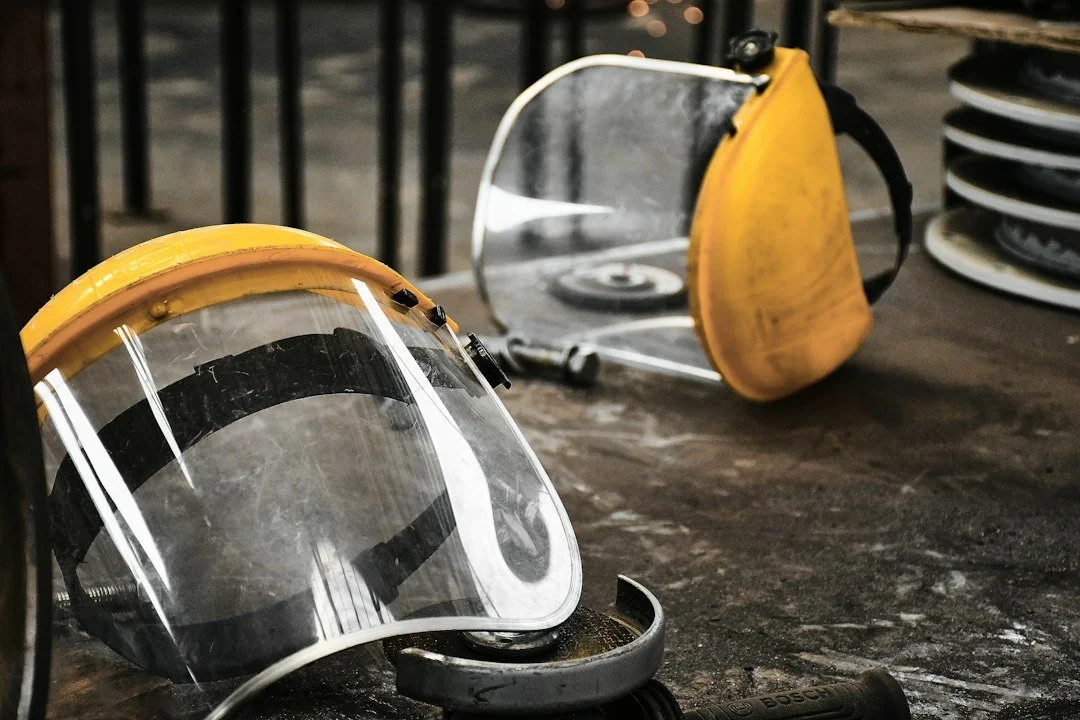
| Acid Splash Protection | 29 CFR 1910.178(g)(2) & 1910.133 | Mandatory chemical splash goggles, full face shield, acid-resistant rubber apron, and elbow-length rubber gloves. |
| Hydrogen Gas Accumulation | 29 CFR 1910.178(g)(1) | Mechanical ventilation designed to keep ambient hydrogen concentration below 1% (Lower Explosive Limit is 4%). |
| Electrolyte Spills & Neutralization | 29 CFR 1910.178(g)(7) | Dedicated spill kit containing neutralizing agents (baking soda or soda ash) to safely neutralize acid before disposal. |
| Ignition Sources | Smoking, open flames, and grinding sparks strictly prohibited; "No Smoking" signage must be posted and enforced (1910.178(g)(10)). | |
3 Critical Battery Room Blind Spots During TOSHA Inspections
1. The "Dusty Eyewash" & Missing Weekly Activations
Plumbed eyewash stations accumulate sediment, rust, and microbial buildup if left static. ANSI Z358.1 requires weekly operational activation to flush the supply line and verify proper spray pattern. Missing weekly inspection tags or eyewash basins caked in warehouse grime are instant red flags during an audit.
2. Hydrogen Off-Gassing in Unventilated Pockets
During the final stages of the battery charging cycle, electrolysis releases hydrogen gas. Because hydrogen is lighter than air, it rises and pools in unventilated ceiling peaks, roof trusses, or enclosed mezzanines. Without spark-proof exhaust fans, a simple light switch spark or charger disconnection can trigger an explosion.
3. Skipping Chemical PPE for "Quick Watering"
Operators frequently top off battery water cells without donning chemical PPE. A boiling battery cell or broken vent cap can spit concentrated sulfuric acid directly into an unprotected face. Standard safety glasses with side shields are legally insufficient; full splash goggles combined with a face shield are mandatory.
Audit-Proof Your Charging Operations
Transitioning to electric material handling fleets requires comprehensive operator education that covers daily machine handling alongside chemical safety, proper battery extraction, and emergency decontamination protocols.
Whether you manage high-volume cross-docks in Smyrna, automated manufacturing in Murfreesboro, or retail distribution in Nashville and Lebanon, mobile, instructor-led training ensures your material handlers and maintenance teams operate with confidence and keep your facility fully audit-ready.
Ensure your battery charging and eyewash facilities are compliant.
👉 Visit our website or call our team today to schedule certified on-site Forklift Operator Training and battery room safety audits across Middle Tennessee.
