

The 5-Minute Forklift Pre-Shift Inspection: How Nashville Warehouses Cut Costs, Protect Lives, and Stay OSHA-Compliant (29 CFR 1910.178)
The 5-Minute Forklift Pre-Shift Inspection: How Nashville Warehouses Cut Costs, Protect Lives, and Stay OSHA-Compliant (29 CFR 1910.178)
The Most Skipped Five Minutes in Material Handling
In high-velocity distribution centers, freight cross-docks, and fabrication plants across Nashville, Murfreesboro, Smyrna, Lebanon, and Mt. Juliet, material handling deadlines never stop. When operators arrive for their shift, the pressure to start pulling orders or staging tractor-trailers immediately often leads to a costly operational shortcut: hopping in the seat, turning the key, and skipping the daily circle-check.
Under OSHA 29 CFR 1910.178(q)(7) and TOSHA regulations, Powered Industrial Trucks (PITs) must be examined before being placed in service. If a lift truck is used around the clock in multi-shift operations, it must be inspected after each shift before the next operator takes the controls.
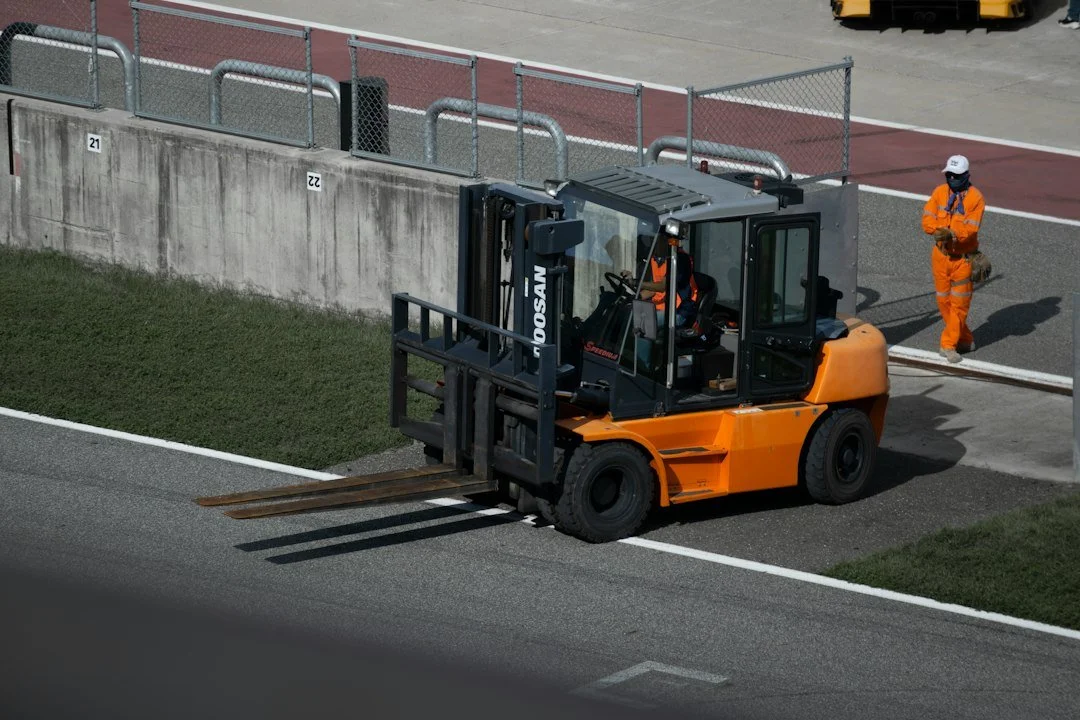
Operating a forklift with soft brakes, frayed lift chains, cracked tires, or weeping hydraulic lines is a direct path to preventable accidents, crippling civil liability, and severe OSHA citations.
Safety, Liability, and Maintenance: The Triple ROI of Daily Checks
A pre-shift inspection is not just a regulatory checkbox; it is a financial and risk-management tool that delivers three distinct protections:
- 1. Immediate Life Safety: A 9,000-pound forklift moving at 8 mph cannot steer or stop on slick polished concrete if tire treads are delaminated or brake master cylinders leak pressure. Pre-shift checks stop unsafe machines before they enter pedestrian aisles.
- 2. Civil Liability & Audit Defense: If a forklift incident occurs, OSHA compliance officers and plaintiff attorneys immediately subpoena the equipment’s inspection logs. Having clean, dated, signed inspection checklists proves your company exercised due diligence and maintained an active safety management culture. Missing logs turn simple workplace injuries into willful negligence claims.
- 3. Catastrophic Cost Prevention: Catching a cracked hydraulic hose fitting during a pre-shift walk-around costs roughly $75 to replace during scheduled maintenance. Catching that same leak after it bursts under load means dropping a pallet of expensive inventory, contaminating hundreds of square feet of warehouse flooring, and paying thousands for emergency line repairs and cleanup.
Electric vs. Propane (LPG) Forklifts: Inspection Differences
While both types share common structural inspection requirements (mast chains, forks, carriage pins, seat belts, horns, and backup alarms), their power delivery systems introduce distinct hazards:
| System Component | Electric Forklifts (Battery Powered) | Propane Forklifts (LPG Combustion) |
|---|---|---|
| Fuel / Power Source | Inspect battery retention locks, vent caps, cable fraying, terminal corrosion, and state-of-charge gauge. | Inspect tank mounting pin, collar damage, pressure relief valve direction, and hose quick-disconnects for leaks. |
| Fluid Checks | Hydraulic fluid level, battery electrolyte level (during charging cycles). | Engine oil level, radiator coolant level, hydraulic oil level, brake fluid reservoir. |
| Unique Critical Hazard | Acid burns, hydrogen gas explosion during charging, heavy battery shifting out of tray. | Liquid propane freeze burns, gas leaks in low spots, carbon monoxide emissions inside enclosed facilities. |
| OSHA Out-of-Service Rule | If any defect is detected that adversely affects safety, the machine must be immediately removed from service (tagged out) until repaired (1910.178(q)(1)). | |
The Complete 2-Stage Daily Forklift Inspection Routine
Stage 1: Key-Off Physical Inspection (Walk-Around)
- Forks & Mast: Check for bent or mismatched fork blades, heel cracks, damaged carriage backrest, and uneven mast chain tension.
- Tires & Wheels: Inspect solid cushion or pneumatic tires for chunking, flat spots, missing lug nuts, or embedded metal swarf.
- Hydraulic System: Check cylinders and flexible lines for weeping seals, chafing, or pooled puddles underneath the chassis.
- Safety Guards: Ensure overhead guard weld points are intact and the operator seat belt latches and retracts smoothly.
Stage 2: Key-On Operational Test
- Warning Devices: Confirm horn, backup alarm, and blue safety approach lights function clearly.
- Hydraulic Controls: Raise and lower forks to maximum height; test forward and backward tilt; test side-shifter to full stops.
- Braking & Steering: Test service brake stopping distance, verify parking brake holds securely under slight drive torque, and ensure smooth steering without binding or excessive play.
Build an Audit-Proof Material Handling Program
Having an inspection clipboard mounted on the cage doesn't guarantee your operators are actually looking for defects. Building a culture of accountability requires formal, equipment-specific operator training that teaches why each check matters and gives drivers the authority to tag out defective units without hesitation.
Whether operating electric stand-ups in a Nashville fulfillment center, heavy propane sit-downs in Smyrna and Murfreesboro manufacturing plants, or rough-terrain telehandlers in Williamson County, certified on-site forklift training protects your workforce, extends equipment life, and shields your business from OSHA penalties.
Keep your fleet safe, compliant, and productive.
👉 Visit our website or call our team today to schedule certified on-site Forklift Operator Training and fleet safety audits across Greater Nashville and Middle Tennessee.
