

Beyond "Winging It": Why Middle Tennessee Facilities Are Investing in Forklift & MEWP Train-the-Trainer Certification
Beyond "Winging It": Why Middle Tennessee Facilities Are Investing in Forklift & MEWP Train-the-Trainer Certification
The "Tribal Knowledge" Dilemma in Modern Material Handling
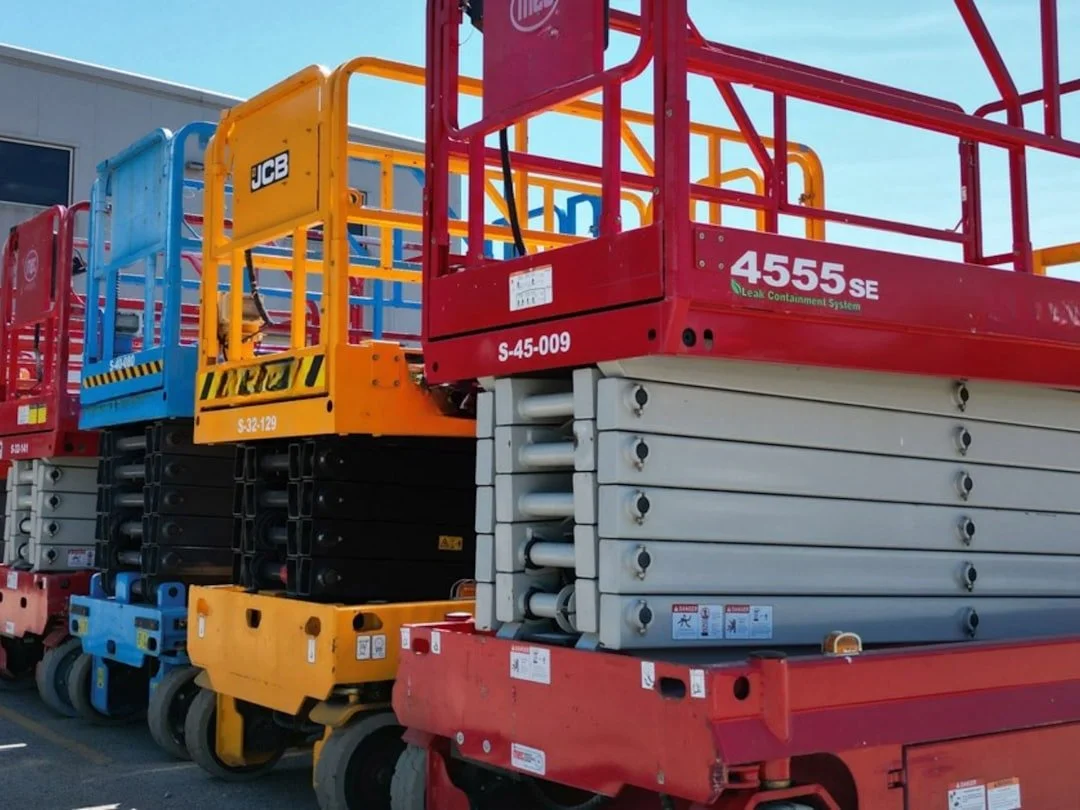
In manufacturing hubs, fabrication plants, commercial job sites, and distribution facilities across Nashville, Murfreesboro, Smyrna, Lebanon, and Mt. Juliet, heavy equipment is constantly in motion. Powered Industrial Trucks (forklifts) and Mobile Elevating Work Platforms (MEWPs, including boom and scissor lifts) are the operational backbones of daily production.
Yet when a safety audit or an incident investigation occurs, one uncomfortable operational reality often surfaces: the facility has been "winging it" when certifying new operators.
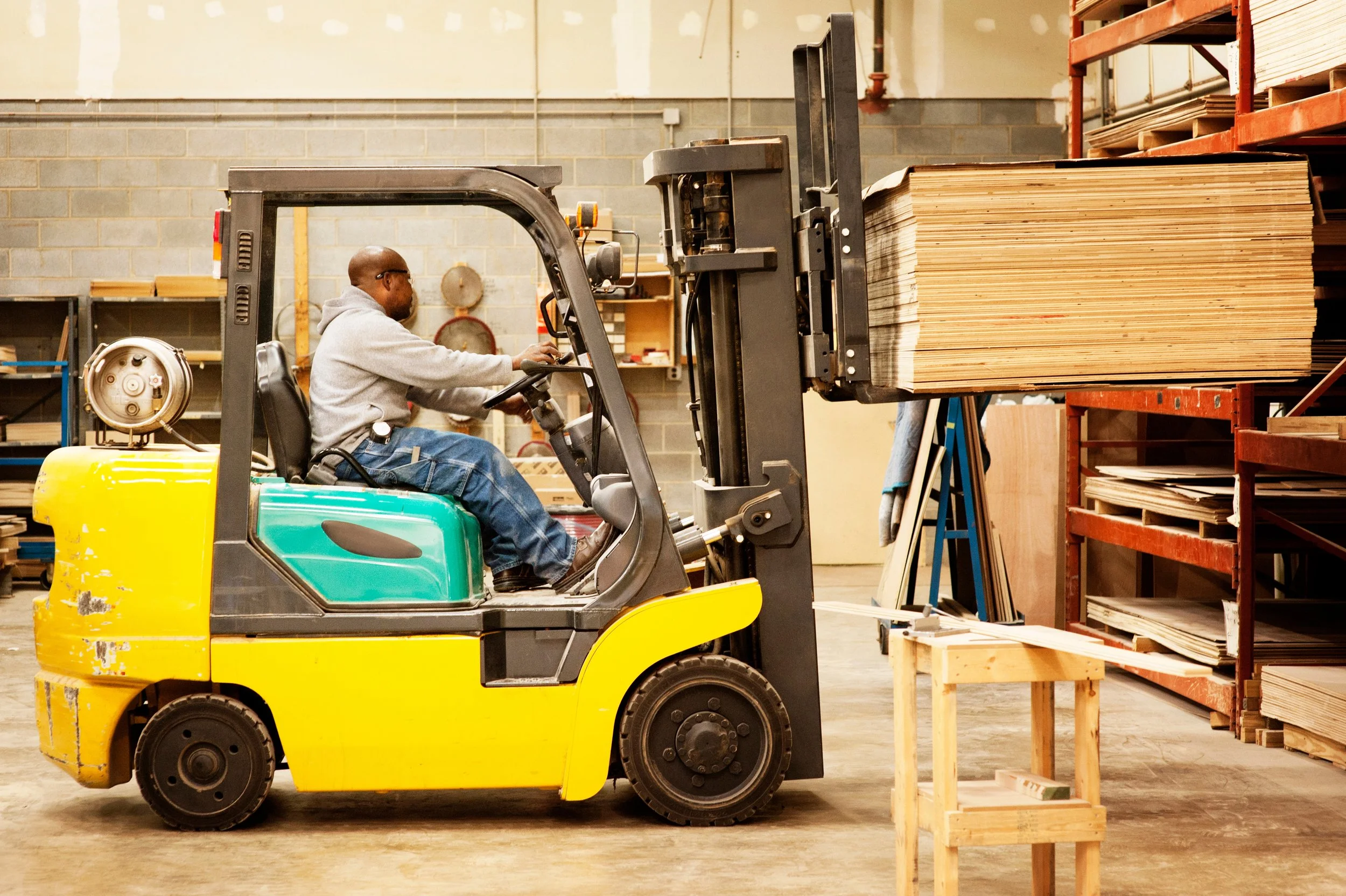
Perhaps your primary trainer retired or transitioned to another employer. Perhaps rapid workforce turnover has left your floor leads overwhelmed. Or perhaps your company has simply relied on senior operators showing new hires the ropes for an hour before signing off on a certification card. Passing driving shortcuts and undocumented habits down the line isn't training—it's compounding regulatory liability.
What OSHA & ANSI Actually Require of Equipment Trainers
Under OSHA 29 CFR 1910.178(l)(2)(iii) and updated ANSI/SAIA A92 standards (enforced statewide by TOSHA), not just anyone can certify an operator:
- Knowledge, Training, and Experience: Trainers must possess the documented training, technical knowledge, and field experience necessary to train operators and evaluate their competence.
- Three-Part Training Structure: Certification requires formal classroom instruction (lectures, discussions, written tests), practical hands-on demonstrations performed by the trainer, and formal on-site evaluations of the operator performing workplace tasks.
- Supervisor MEWP Training Mandate: Under ANSI A92.24, personnel directly supervising MEWP operators must also be trained on lift selection, hazard identification, and rule enforcement—even if they do not operate the equipment themselves.
When an uncertified trainer signs an evaluation without documented proof of trainer credentials, TOSHA treats subsequent operator certifications as invalid, turning minor site inspections into costly, high-tier citations.
"Winging It" vs. An Internal Train-the-Trainer Program
| Operational Area | The "Winging It" Approach | Certified Train-the-Trainer Setup |
|---|---|---|
| Onboarding Speed | Bottlenecks waiting on external third parties or scheduling gaps. | Instant: On-site trainers certify new hires on Day 1. |
| Evaluation Quality | Informal drive-around with zero standardized rubrics. | Documented, objective testing tailored to facility hazards. |
| Regulatory Audit Risk | High: Questioned credentials, missing paper trails, willful fines. | Audit-ready: Documented trainer credentials and evaluation logs. |
| Cost Over Time | Paying recurring per-operator third-party fees adds up fast. Having an in-house certified trainer caps training expenses as headcounts fluctuate. | |
When Is It Time to Certify an In-House Trainer?
Operations across Middle Tennessee typically reach out to solve one of three distinct pain points:
- High Turnover & Rapid Hiring: When you onboard multiple material handlers each month, scheduling third-party evaluations creates costly downtime and delays production.
- Loss of Veteran Leadership: When your sole internal trainer departs or is promoted, existing compliance documentation lapses, leaving new operators uncertified.
- Safety Audit Gap Analysis: Recognizing that the company has never had a formally qualified trainer and needs an immediate, structured program to prevent OSHA exposure.
How Southeast Safety Partners (SSP) Solves the Problem
At Southeast Safety Partners (SSP), we understand that maintaining peak productivity while staying 100% OSHA and TOSHA compliant is a balancing act. That’s why we bring certified Forklift & MEWP Train-the-Trainer instruction directly to your facility.
We don’t just teach your leads how to drive; we equip them with adult-learning teaching methodologies, site-specific hazard evaluation techniques, and complete turnkey testing materials (written exams, practical operator checklists, and certification templates). We turn your most dependable leads, supervisors, and safety coordinators into authorized, audit-ready in-house instructors.
Take control of your equipment training and eliminate compliance risks.
👉 Visit our website or call Southeast Safety Partners today to schedule on-site Forklift and MEWP Train-the-Trainer certification for your Middle Tennessee team.
