

Forklift vs. Foot Traffic: Designing an Audit-Ready Warehouse Pedestrian Safety Plan (29 CFR 1910.178)
Forklift vs. Foot Traffic: Designing an Audit-Ready Warehouse Pedestrian Safety Plan (29 CFR 1910.178)
9,000 Pounds of Silent Kinetic Energy
A standard 5,000-lb capacity sit-down forklift does not weigh 5,000 pounds—it weighs nearly 9,000 to 10,000 pounds when accounting for its counterweight. Traveling at just 7 miles per hour, that lift truck carries the momentum of an automobile traveling at residential street speeds, but with rear-wheel pivot steering, mast blind spots, and limited stopping friction on slick concrete.
Across the thriving distribution and automotive logistics hubs of Middle Tennessee—stretching along the I-24 and I-40 corridors from Smyrna and La Vergne to Lebanon and Mt. Juliet—forklift-pedestrian interactions are among the leading causes of catastrophic lower-limb crush trauma, amputations, and fatalities.
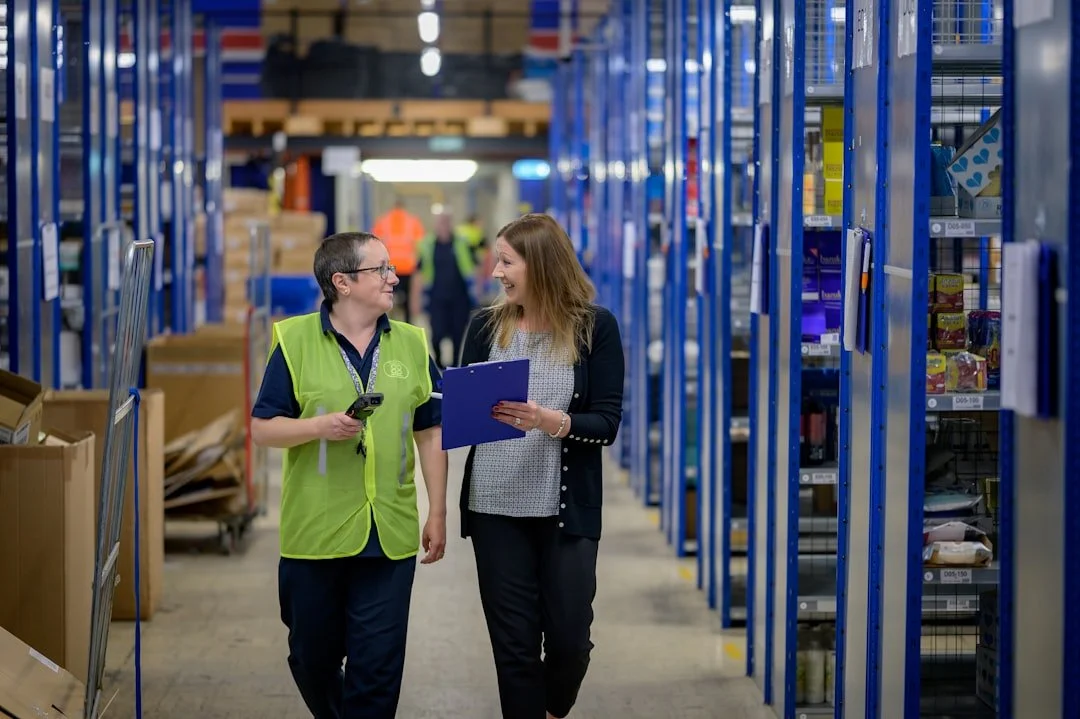
Under OSHA 29 CFR 1910.178(m)(2) and general industry standards enforced by TOSHA, employers have an affirmative duty to separate pedestrian travel from industrial vehicle routes, enforce clear right-of-way protocols, and eliminate intersection blind spots.
The Failure of the "Yellow Floor Line"
Too many facilities rely entirely on painted yellow floor striping to delineate walking lanes from equipment thoroughfares. While visual demarcation is helpful, OSHA inspectors and accident reconstruction teams recognize that paint provides zero mechanical defense against:
- Rear-End Tail Swing: Because lift trucks steer with the rear axle, a sudden turn causes the heavy counterweight to swing wide outward, sweeping across pedestrian walk zones in fractions of a second.
- Mast Blind Spots on Forward Travel: Full pallet loads often obstruct an operator’s forward vision entirely. Under 1910.178(n)(4), operators must travel with the load trailing (in reverse) when vision is obstructed, but pedestrian crossings at racking corners still surprise reversing drivers.
- Acoustic Blending in Loud Plants: Electric reach trucks and order pickers operate nearly silently, blending into the ambient hum of overhead conveyors, air handling units, and automated sorting machinery.
Forklift Pedestrian Control Hierarchy: Engineering vs. Administrative
| Control Level | Safety Measure | Compliance & Injury Impact |
|---|---|---|
| Engineering (Highest) | Physical steel guardrails, self-closing safety gates, bollards | Prevents vehicle intrusion; forces pedestrians to stop before crossing aisles. |
| Visual Warnings | Blue-spot approach lights, red-zone perimeter halo lights, dome mirrors | Projects a 15-foot advance visual alert before a silent truck exits a blind racking row. |
| Administrative Rules | Horn tap at intersections, 4-foot exclusion zone, eye-contact rules | Mandates audible warnings (1910.178(n)(6)) and mutual recognition before approach. |
| Driver Training Mandate | Mandatory formal evaluation of pedestrian awareness and load-travel mechanics (1910.178(l)) every 3 years or after near-misses. | |
3 Job-Site Protocols That Prevent Struck-By Collisions
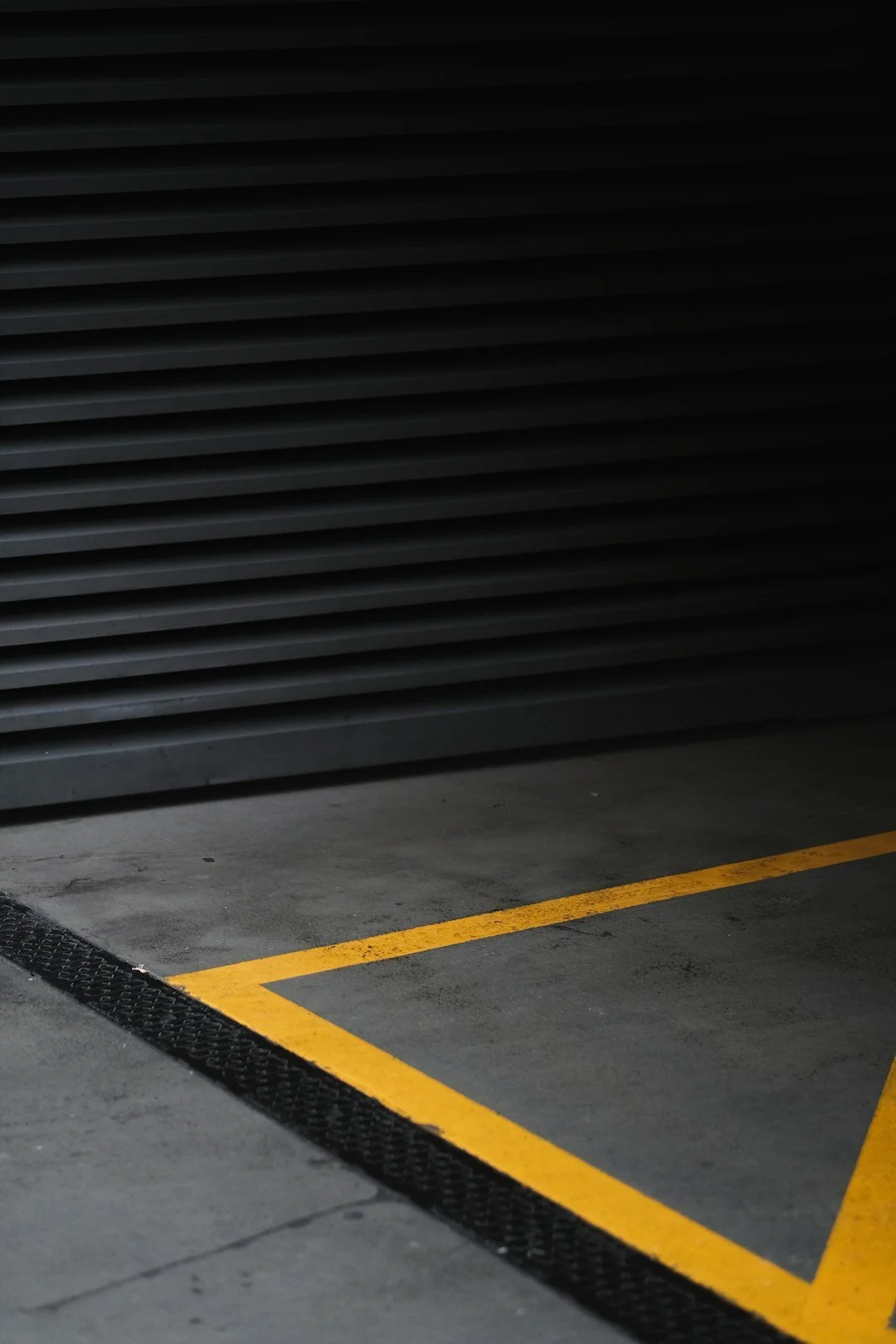
1. The 4-Foot "Halo" Exclusion Zone
Pedestrians should never stand within 4 feet of an operating forklift, even when the machine is stopped at a workstation. If an operator's foot slips off the brake or a hydraulic line bleeds, the machine can roll or drop its load unexpectedly.
2. Mandatory "Honk and Pause" at Aisle Ends (1910.178(n)(4))
TOSHA citations frequently target drivers who speed through cross-aisles without sounding their horns. Operators must slow down, sound the horn, and come to a rolling stop before entering main pedestrian walkways.
3. Absolute Eye-Contact and Thumbs-Up Confirmation
Never assume an operator sees a high-vis vest. A pedestrian must freeze outside the machine's travel path, make direct eye contact with the driver, and receive an explicit wave or thumbs-up signal before crossing.
Audit-Proof Your Material Handling Operation
OSHA forklift compliance requires much more than handing an employee a certificate after a computer quiz. Protecting foot traffic in high-speed logistics operations requires hands-on, practical evaluation of operators navigating your actual facility layout, tight corners, and pedestrian intersections.
Whether operating narrow-aisle reach trucks in Smyrna, heavy propane sit-downs in Murfreesboro, or order pickers in Nashville and Lebanon, site-specific Powered Industrial Truck (PIT) certification protects your employees and shields your business from costly citations.
Upgrade your warehouse traffic safety today.
👉 Visit our website or call our team today to schedule certified, on-site forklift operator safety training and pedestrian hazard audits across Middle Tennessee.
