

Boom vs. Scissor Lift: The Fall Arrest & Harness Mistakes Middle Tennessee Crews Make (29 CFR 1926.453)
Boom vs. Scissor Lift: The Fall Arrest & Harness Mistakes Middle Tennessee Crews Make (29 CFR 1926.453)
The High-Elevation Safety Gap
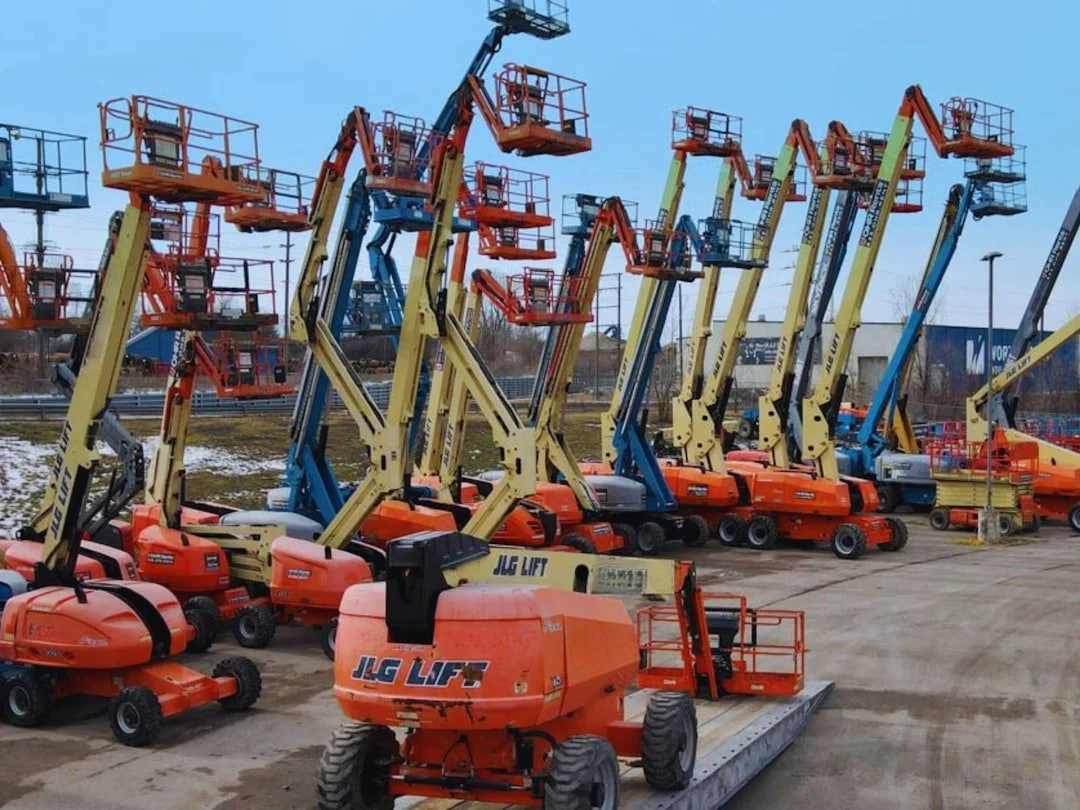
Across active construction developments, industrial fit-outs, and logistics expansions throughout Nashville, Murfreesboro, Smyrna, and Wilson County, Mobile Elevating Work Platforms (MEWPs)—including telescoping booms, articulating knuckles, and scissor lifts—are indispensable. They get mechanical trades, electricians, and painters to elevation quickly and efficiently.
However, elevated work platforms remain a major source of serious OSHA citations and catastrophic injuries. During safety audits, compliance officers frequently encounter confusion regarding when a full-body harness is required versus when guardrails suffice, alongside dangerous shortcuts during repositioning.
Under OSHA 29 CFR 1926.453 (enforced statewide by TOSHA) and updated ANSI A92 standards, operating an aerial lift without equipment-specific training, documented daily inspections, and proper fall protection creates severe legal liability and life-threatening exposure.
Boom Lifts vs. Scissor Lifts: The Fall Protection Rule
One of the most persistent misconceptions on job sites is treating all aerial platforms identically. OSHA draws a clear regulatory distinction based on mechanical motion:
- Boom Lifts (1926.453(b)(2)(v)): Anyone in the basket of an extensible or articulating boom lift must wear a personal fall arrest or fall restraint system attached to the manufacturer-designated anchor point inside the platform. Guardrails alone are legally insufficient.
- The "Catapult Effect": When a boom lift’s wheels hit a pothole, curb, or site debris while driving, or if the basket catches an obstruction, the whip action at the end of the extended boom amplifies the motion exponentially. An unrestrained worker can be violently ejected from the basket—even with guardrails in place.
- Scissor Lifts (1926.451 Subpart L): OSHA classifies scissor lifts as mobile scaffolding. A properly maintained, fully enclosed guardrail system (with top rails at 42 inches, midrails, and toeboards) serves as primary fall protection. While OSHA does not federally mandate harnesses in scissor lifts, general contractor site-specific safety rules across Middle Tennessee frequently require them. If tied off in a scissor lift, workers must use designated anchor points, never the guardrail itself.
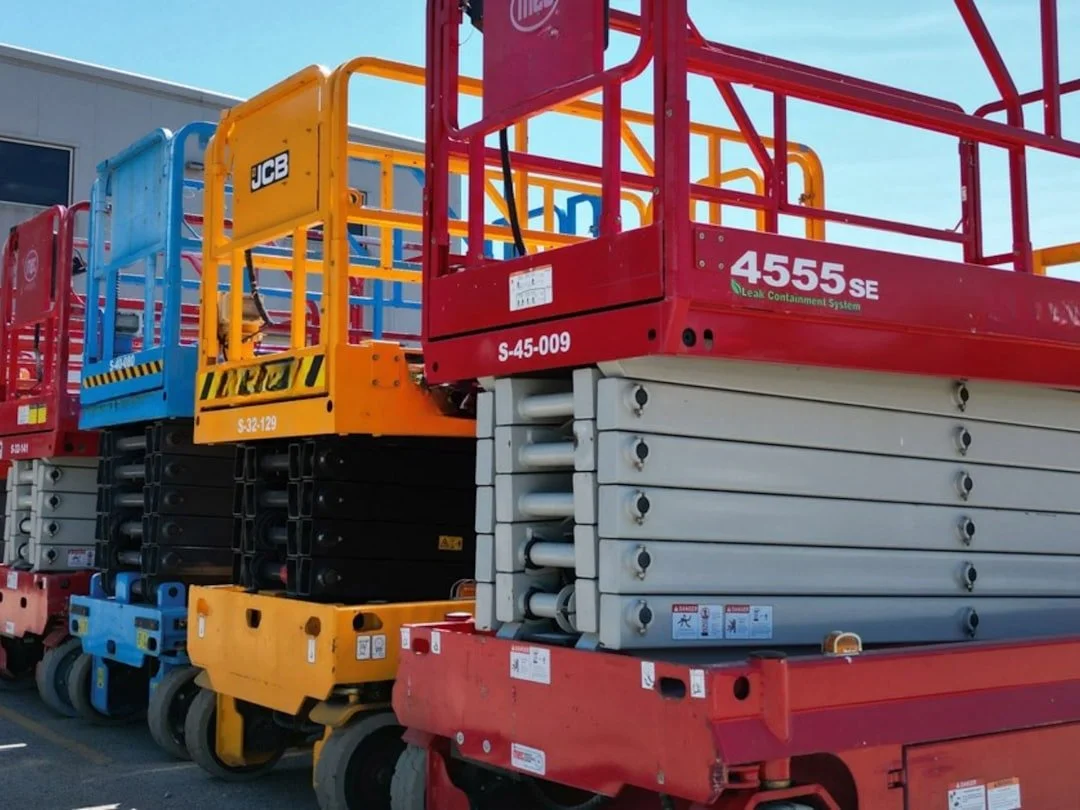
Aerial Platform Regulatory Comparison: Boom vs. Scissor
| Standard & Hazard | Boom Lifts (Articulating / Telescoping) | Scissor Lifts (Vertical Scaffolding) |
|---|---|---|
| OSHA Fall Protection | Mandatory Harness + Lanyard to certified anchor | Enclosed guardrails meet OSHA (GC rules may require harness) |
| Primary Ejection Risk | Catapult effect from ground impacts or snagging | Tip-overs from uneven ground, potholes, or side loads |
| Anchor Point Rule | Manufacturer pad-eyes only (Never tie off to railings) | Manufacturer floor anchors only (Never tie off to railings) |
| Pre-Start Inspection | Mandatory documented functional test of controls, limit switches, horn, and emergency ground descent systems before shift. | |
3 Critical MEWP Hazards That Trigger OSHA Citations
1. Climbing or Sitting on the Guardrails
Workers must keep both feet firmly on the platform floor at all times (1926.453(b)(2)(iv)). Using planks, ladders, or stepladders inside the basket to gain extra reach is an instant citation and an immediate fall hazard.
2. Overhead Crush & Electrocution Clearances
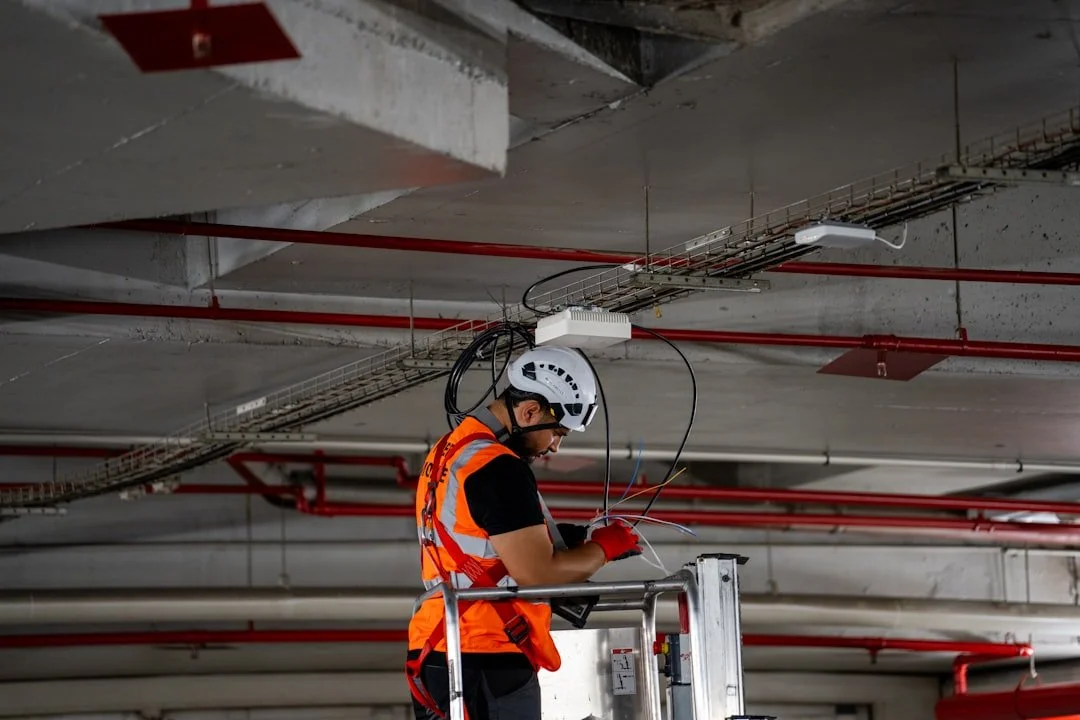
Operating near structural steel, ductwork, or overhead power lines requires constant situational awareness. Under OSHA standards, lifts must maintain a minimum 10-foot clearance from overhead power lines rated up to 50kV. Reversing or elevating into overhead beams can pin the operator against the control panel, disabling access to stop buttons.
3. The Bypassed Ground Control Check
If an operator experiences a medical emergency, control failure, or hydraulic lock-up while elevated, ground personnel must know how to activate the emergency lowering valve or ground controls immediately. Failing to test lower controls during the pre-start check leaves elevated personnel trapped.
Equip Your Operators with Certified MEWP Training
ANSI A92 standards require that all MEWP operators, occupants, and supervisors complete formal training on equipment inspection, safe operation, and rescue planning. Relying on a "quick orientation" from an equipment rental drop-off does not satisfy regulatory requirements or protect workers from catastrophic tip-overs.
Whether operating knuckle booms in Nashville, scissor lifts in a Smyrna distribution facility, or telehandlers across Murfreesboro and Franklin, hands-on, site-specific safety certification keeps your jobsites safe, productive, and audit-ready.
Ensure your aerial lift operations are audit-ready.
👉 Visit our website or call our team today to schedule certified, on-site Aerial Lift & Scissor Lift operator training across Middle Tennessee.
