

Think a 6-Foot Lanyard Protects You at 12 Feet? Run the Math Again.
The 17.5-Foot Fall Clearance Trap: Why 6-Foot Lanyards Fail OSHA Audits at 12 Feet (29 CFR 1926 Subpart M)
The #1 Killer in Construction
Year after year, fall-related violations top OSHA’s annual "Top 10 Most Frequently Cited Standards" list. More critically, falls from elevation remain the deadliest hazard on construction sites, accounting for over one-third of all construction fatalities.
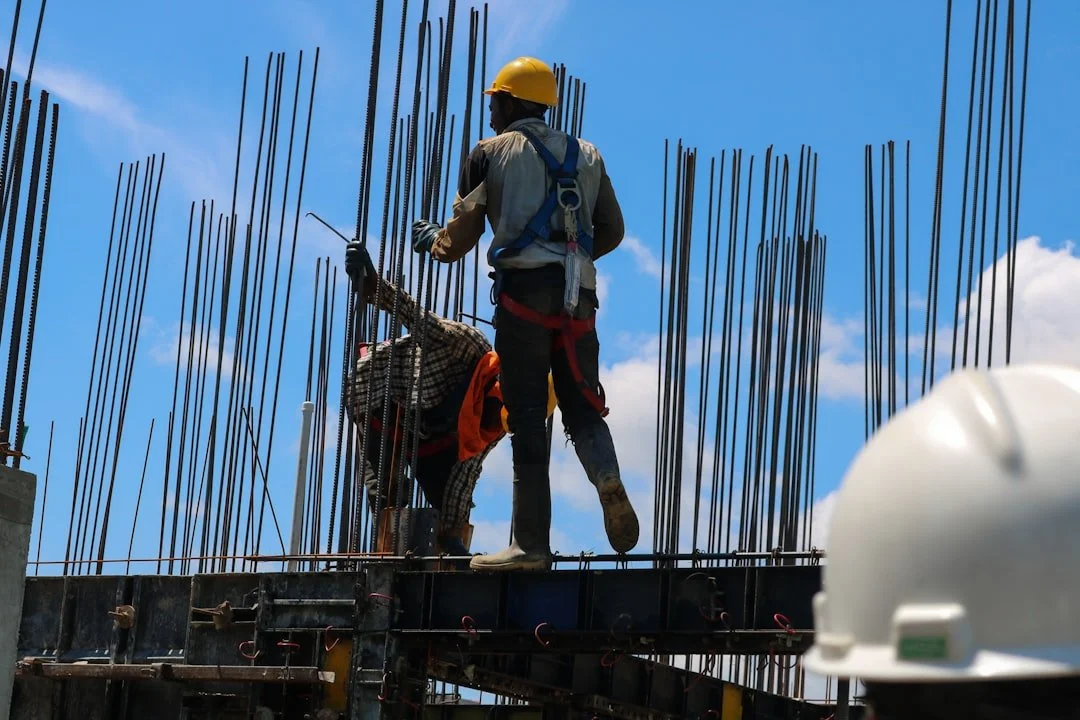
Across commercial builds, residential framings, and industrial retrofits in Nashville, Murfreesboro, Smyrna, and Williamson County, workers are diligent about putting on harnesses. However, having a harness on does not mean a worker is protected.

Under OSHA 29 CFR 1926 Subpart M (Fall Protection), one of the most common and dangerous errors on active job sites is using a standard 6-foot shock-absorbing lanyard in low-clearance working heights where hitting the lower level occurs before the personal fall arrest system (PFAS) fully deploys.
The Fall Clearance Calculation (The 17.5-Foot Math)
Many contractors assume that working at 12 feet means a 6-foot lanyard provides 6 feet of safety margin. In reality, total fall distance includes multiple mechanical expansion factors:
- Lanyard Length: 6.0 feet (standard fixed lanyard).
- Deceleration / Energy Absorber Expansion: 3.5 feet (maximum rip-stitch elongation permitted under ANSI/OSHA).
- Worker Height & Harness Stretch: 6.0 feet (average distance from D-ring to worker's feet plus harness stretch).
- Safety Factor / Margin: 2.0 feet (mandatory buffer from the lower level or obstruction).
Total Required Minimum Clearance = 17.5 Feet. Tying off at an anchor point with a standard 6-foot lanyard while working on a deck at 12 or 14 feet means the worker will strike the ground or lower obstruction before the fall arrest system stops them.
Fall Arrest Systems: Standard Lanyard vs. Self-Retracting Lifeline (SRL)
| System Element | 6-Ft Shock-Absorbing Lanyard | Self-Retracting Lifeline (SRL / Class 1 or 2) |
|---|---|---|
| Total Clearance Needed | 17.5–18.5 Feet minimum | 4.5–7.0 Feet (Arrests fall within inches of slip) |
| Ideal Working Heights | Heights > 18 Feet with overhead anchor | Low-clearance decks (6–15 ft), leading edges, mezzanines |
| Arrest Force Threshold | Max 1,800 lbs (with body harness) | Significantly reduces peak arresting forces |
| Anchor Rating Mandate | Must support 5,000 lbs per attached employee OR 2:1 safety factor designed by a Qualified Person. | |
3 Critical Fall Protection Blind Spots
1. The "Anchor of Opportunity" Trap
Under 29 CFR 1926.502(d)(15), anchor points must support at least 5,000 pounds per employee. Tying off to conduit, standard handrails, fire sprinkler piping, or drywall framing is a direct OSHA violation and will fail under shock load.
2. The Swing Fall Hazard (Pendulum Effect)
Working laterally away from an overhead anchor creates a pendulum arc if a fall occurs. Even if the fall distance is controlled, a swing fall can cause devastating impact injuries against walls, steel columns, or equipment.
3. The Prompt Rescue Requirement
OSHA 1926.502(d)(20) mandates that employers provide for "prompt rescue of employees in the event of a fall." Suspension trauma (orthostatic intolerance) can cause unconsciousness or death in as little as 10 to 15 minutes of hanging in a harness without relief straps.
Audit-Proof Your Job Site Fall Protection
True fall protection goes far beyond handing a crew member a harness and a lanyard. Equipping your foremen, superintendents, and subcontractors with hands-on OSHA 10-Hour or OSHA 30-Hour Construction training ensures clearance calculations, anchor selections, and rescue plans are executed correctly before a crew steps foot on an elevated deck.
Whether you manage structural steel erection in Nashville, framing in Murfreesboro, or commercial roofing in Smyrna and Franklin, certified on-site training eliminates compliance guesswork and protects lives.
Ensure your fall protection program is audit-ready.
👉 Email us at Training@southeastsafetypartners.com or call our team today to schedule certified, on-site OSHA 10/30 Construction safety training across Middle Tennessee.
