

Beyond High-Vis: The Struck-By & Equipment Swing Radius Hazards Middle Tennessee Contractors Miss (29 CFR 1926)
Beyond High-Vis: The Struck-By & Equipment Swing Radius Hazards Middle Tennessee Contractors Miss (29 CFR 1926)
The Leading Cause of Non-Fatal Job Site Injuries
While falls remain the most lethal hazard in construction, struck-by incidents are the #1 cause of non-fatal disabling injuries and represent the second leading cause of fatalities within OSHA’s Fatal Four.
Across active commercial developments and civil infrastructure projects throughout Nashville, Murfreesboro, Smyrna, and Williamson County, ground laborers, subcontractors, and heavy machinery operate in tight, congested footprints.
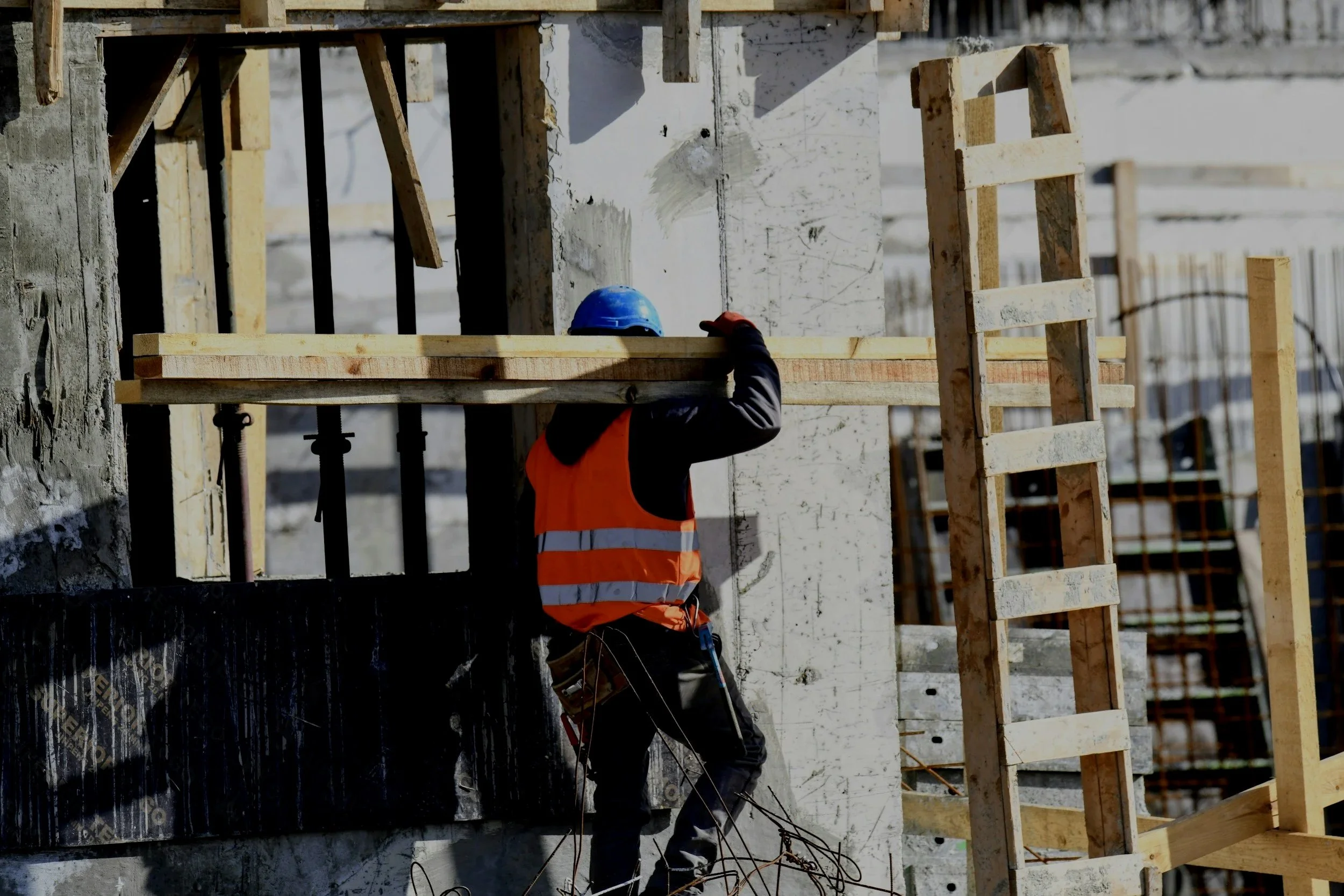
Under OSHA 29 CFR 1926 (Subparts G, O, and W), TOSHA and federal inspectors look far beyond whether workers are wearing Class 2 or Class 3 high-vis apparel. Citations frequently target missing mechanical swing radius barriers, ineffective internal traffic control plans (ITCPs), and lack of blind-spot spotters.
3 Major Struck-By Blind Spots on Active Job Sites
1. The Rotating Superstructure & Swing Radius Mandate (1926.1424 / 1926.602)
When an excavator, crane, or rotating material handler swings, the rear counterweight creates a fatal pinch point against trailers, trench boxes, or building walls.
- The Violation: Relying on verbal warnings or assuming ground personnel will hear the engine.
- The Rule: Employers must physically barricade or control access to the entire swing radius of rotating superstructures to prevent workers from entering hazardous pinch-point zones.
2. Blind Spots & Back-Up Alarms (1926.601(b)(4))
Heavy earthmoving machinery, dump trucks, and telehandlers possess severe blind spots, often extending 20 to 50 feet to the rear and passenger side.
- The Standard: Earthmoving equipment with an obstructed rear view cannot operate in reverse without a functioning reverse signal alarm audible above surrounding noise, OR an assigned spotter signaling that the path is clear.
- The Practice: In high-noise environments where reverse beepers blend into site noise, designated spotters using standardized hand signals are essential.

3. Flying & Falling Objects: Overhead Work Zones
Under 29 CFR 1926.451(h) and 1926.502(j), when work occurs on elevated decks or scaffolds, ground crews must be protected by toeboards, canopy structures, debris netting, or barricaded exclusion zones directly beneath the work.
OSHA Struck-By Hazard Categories & Controls
| Hazard Category | Common Job Site Scenario | Mandatory OSHA Control |
|---|---|---|
| Struck-By Vehicle / Equipment | Backing dump trucks, moving loaders, compactors. | Audible reverse alarms, designated spotters, Internal Traffic Control Plans (ITCP). |
| Caught-Between Swing Radius | Excavator counterweight rotating against trench box or wall. | Physical barricades / danger tape isolating the full swing radius area. |
| Falling / Dropped Objects | Tools falling from elevated scaffolding or structural steel. | 3.5-inch toeboards, tool lanyards, debris netting, overhead exclusion zones. |
| Flying / Projected Objects | Nail guns, abrasive wheels, compressed air: Mandatory ANSI Z87.1 eye/face protection and safety clips on air hoses. | |
Establishing an Internal Traffic Control Plan (ITCP)
To eliminate vehicle-pedestrian conflicts on busy job sites, superintendents should enforce three standard rules:
- Establish Clear Pedestrian Corridors: Separate ground worker foot traffic from heavy equipment drive paths using barriers or designated painted paths.
- Mandate Eye Contact & Hand Signals: Operators must not move machines when a pedestrian is in the zone until direct eye contact and an all-clear hand signal are exchanged.
- Daily Pre-Shift Equipment Audits: Check that backup alarms, mirrors, horns, and 360-degree camera systems are clean and fully functional before the machine enters service.
Train Your Crew to Spot Struck-By Hazards
Preventing struck-by and caught-between incidents requires proactive hazard recognition on the ground. Equipping your foremen, operators, and subcontractors with certified OSHA 10-Hour or OSHA 30-Hour Construction training ensures everyone on-site recognizes blind-spot risks before tragedy strikes.
Whether managing site work in Nashville, civil utilities in Murfreesboro, or commercial construction in Smyrna and Franklin, hands-on, instructor-led safety training keeps your jobsites safe, productive, and audit-ready.
Protect your workforce and prevent job site incidents.
👉 Visit our website or call our team today to schedule certified, on-site OSHA 10/30 Construction safety training across Middle Tennessee.
