The Pencil-Whip Trap: OSHA Forklift Pre-Shift Inspection Violations Middle Tennessee Facilities Overlook (29 CFR 1910.178(q))
When Skipping a 3-Minute Walkaround Costs Millions
In high-volume distribution centers, automotive parts manufacturing plants, and freight cross-docks across Nashville, Murfreesboro, Smyrna, Lebanon, and Mt. Juliet, material handling equipment runs continuously. Multi-shift operations pass 5,000-lb to 10,000-lb counterbalanced forklifts, reach trucks, and electric order pickers from one driver to the next around the clock.
Under intense operational throughput pressure, operators frequently commit one of the most widespread violations in general industry: "pencil-whipping" or completely skipping the daily pre-shift inspection. Operators grab the clipboard, check off all thirty boxes down the sheet in three seconds, and immediately start pulling pallets.
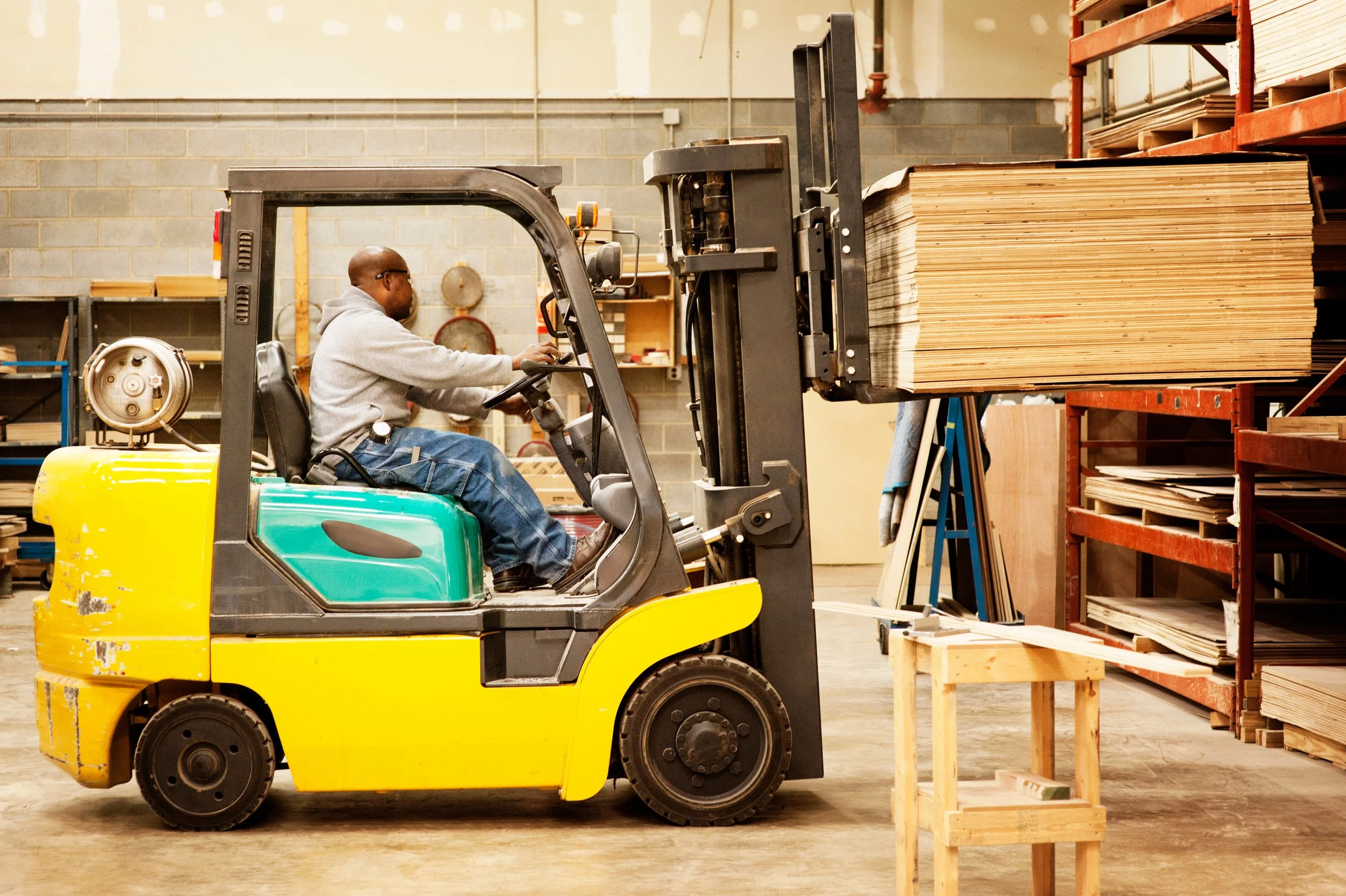
When a steering cylinder seal fails, a brake line loses hydraulic pressure, or a mast lift chain snaps under load, catastrophic property loss, tip-overs, and pedestrian crush injuries occur. Enforced across the state by TOSHA under OSHA 29 CFR 1910.178(q)(7) and 1910.178(p)(1), failing to perform and document pre-shift inspections—or operating a machine with known defects—carries severe penalties and immediate stop-operation mandates.
OSHA 1910.178(q)(7): The Daily & Per-Shift Mandate
The federal standard leaves no room for ambiguity regarding frequency:
- Daily Use: Powered industrial trucks must be examined before being placed in service. This examination must be conducted at least daily before the machine is operated.
- Round-the-Clock (Multi-Shift) Facilities: Where trucks are used on a continuous or multi-shift basis, they must be examined before the start of every single shift (1910.178(q)(7)). An inspection completed on 1st shift does not cover the 2nd shift operator.
- Mandatory Immediate Removal (1910.178(p)(1)): If the examination reveals any condition adversely affecting vehicle safety, the truck must be taken out of service immediately and cannot be returned to duty until fully repaired by authorized personnel.
Forklift Pre-Shift Inspection Matrix: Visual vs. Operational Checks
| Inspection Tier | System Checked | Immediate Red-Tag / Out-of-Service Trigger |
|---|---|---|
| Static (Key Off) | Forks, Mast & Chains | Cracked heel welds, blade surface wear >10%, uneven chain tension, missing lock pins. |
| Static (Key Off) | Tires & Overhead Guard | Missing lug nuts, chunking/missing tread over 30%, deformed or unbolted overhead cab cage. |
| Operational (Engine On) | Hydraulic Lift & Tilt | Active fluid pooling, weeping hoses, erratic cylinder shudder, excessive mast drift under load. |
| Operational (Engine On) | Braking & Steering | Spongy brake pedal, dead parking brake failure on incline, excessive free-play in steer axle. |
| Safety Devices | Horn, backup alarm, blue optical lights, and seatbelt must be fully functional. A broken horn or damaged seatbelt is an immediate removal condition. | |
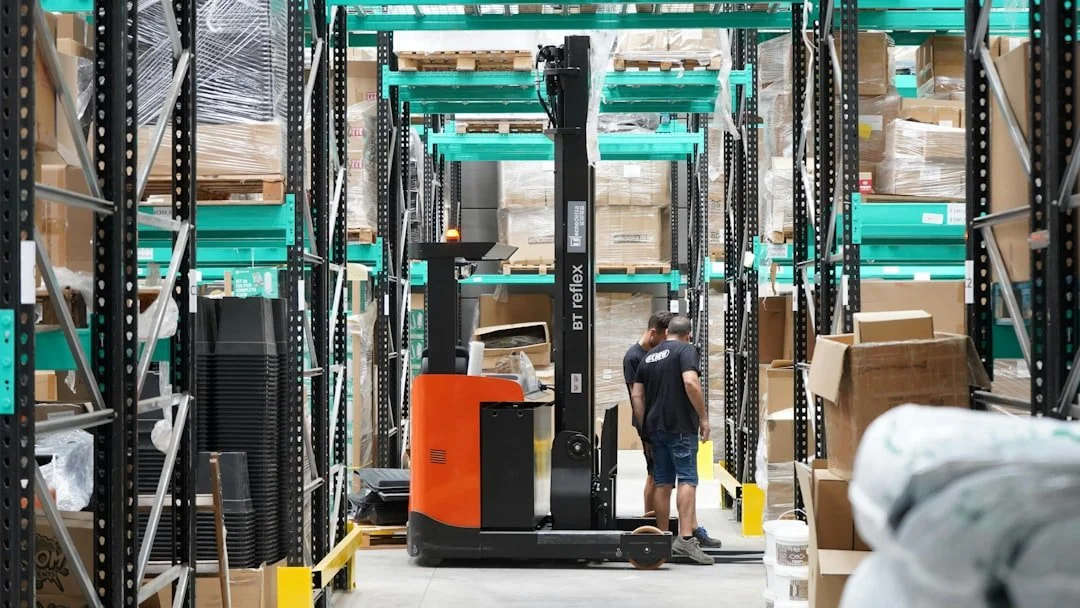
3 Pre-Shift Inspection Red Flags That TOSHA Catches Immediately
1. The "Clean" Sheet on a Damaged Truck
When a safety auditor walks the plant floor and inspects a forklift with a visibly cracked tail light, weeping hydraulic mast fitting, or heavily gouged solid tire, they pull the clipboard or digital log. If the daily checklist from that morning has all "satisfactory" marks, the employer faces two citations: one for operating defective equipment under 1910.178(p)(1), and another for an ineffective inspection program.
2. Ignoring Fork Heel Wear (The 10% Caliper Rule)
Under ANSI/ITSDF B56.1, forks must be inspected regularly with fork caliper gauges. Over years of dragging across abrasive concrete slabs, the heel of the fork wears down. A 10% reduction in fork thickness reduces the load-carrying capacity of that fork by 20%. Operators rarely look beneath the fork blade, running trucks with compromised tines that snap abruptly under heavy loads.
3. The Lack of a Tag-Out & Quarantine Protocol
When an operator identifies a failure—such as a non-functioning backup beeper or spongy service brake—telling a coworker verbally is inadequate. Without a physical lockout/tag-out tag on the steering wheel and removing the ignition key, another worker will step onto the machine ten minutes later. Facilities must establish an unmistakable, physical "Out of Service" quarantine workflow.
Build an Audit-Proof Powered Industrial Truck Program
True forklift safety is built before the wheels ever roll. Ensuring that operators, warehouse supervisors, and maintenance technicians execute rigorous, documented daily examinations transforms pre-shift inspections from a mundane chore into an active defense against equipment failure and catastrophic floor incidents.
At Southeast Safety Partners, we deliver practical, instructor-led Forklift Operator Certification (Classes 1, 4 & 5), Train-the-Trainer Programs, and comprehensive material handling audits directly to your facility across Nashville, Murfreesboro, Smyrna, Franklin, and Lebanon. We equip your operations with turnkey daily inspection checklists, practical operator evaluation rubrics, and the mechanical compliance knowledge needed to stay audit-ready.
Ensure your forklift fleet is fully compliant and safe.
👉 Visit our website or call Southeast Safety Partners today to schedule certified on-site Forklift Training and pre-shift inspection audits across Middle Tennessee.
