

Stop Sending Your Team Across Town: Why On-Site CPR & AED Training Saves Middle Tennessee Companies Time, Money, and Lives
The Hidden Cost of Off-Site CPR Classes
When HR managers, safety coordinators, and plant supervisors in Nashville, Murfreesboro, Smyrna, Franklin, and Lebanon need to certify or renew their Emergency Response Teams in CPR, AED, and First Aid, the default habit is often booking seats at an off-site public training center.
On paper, a $95 per-person registration fee looks straightforward. In reality, sending a crew off-site across Middle Tennessee traffic corridors creates massive hidden operational expenses. Between fighting I-24 or I-65 congestion, paying hourly wages for windshield time, reimbursing mileage, covering lunch per diems, and losing an entire 8-hour production shift for a 3.5-hour class, the true cost per employee frequently triples.
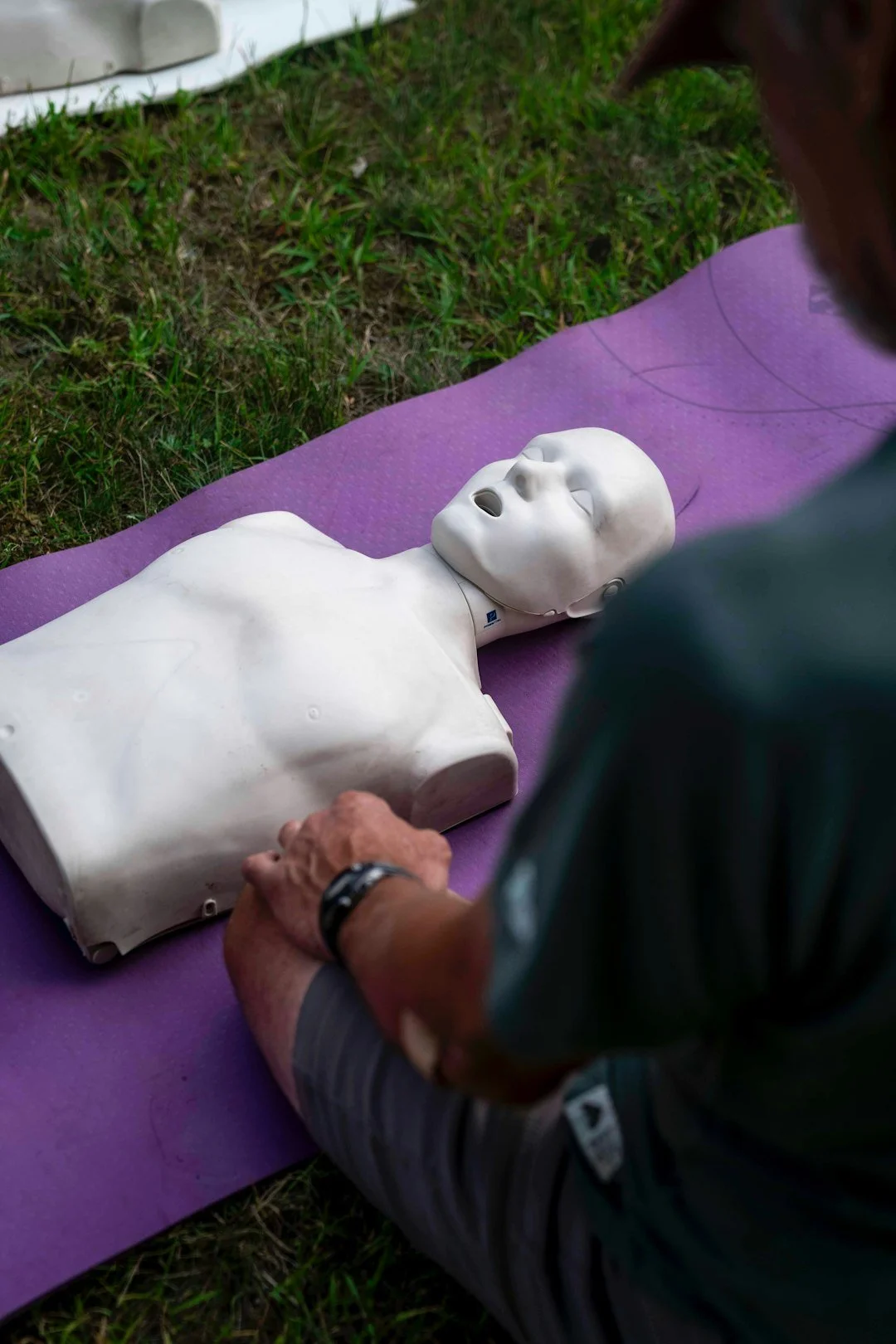
Bringing Southeast Safety Partners directly to your facility flips that equation. Mobile, instructor-led American Heart Association (AHA) CPR, AED, and First Aid training eliminates travel logistics, preserves floor productivity, and builds stronger real-world emergency readiness right where your people work.
5 Operational & Safety Advantages of Mobile On-Site Training
- 1. Zero Travel Expenses & Windshield Time: When our instructors bring all manikins, AED trainers, bleeding control kits, and sanitized supplies directly to your breakroom, training room, or jobsite trailer, you eliminate mileage reimbursements, fuel cards, and paid transit hours across Middle Tennessee.
- 2. Minimal Production & Shift Downtime: Instead of losing workers for a full day, your team steps off the line for a focused, streamlined session and returns directly to their stations upon completion. Even better, we schedule classes around 1st, 2nd, and 3rd shift transitions so overnight and weekend crews get certified without overtime spikes.
- 3. Training Tailored to Your Actual Facility & AEDs: In a generic hotel conference room, students learn on generic props. In your facility, we incorporate your exact Automated External Defibrillator (AED) wall locations, your specific trauma/first aid cabinet contents, your internal 911 paging protocol, and the real industrial hazards present on your floor (electrical shock, machinery crush trauma, heat stroke, or chemical exposure).
- 4. Cohesive Team Muscle Memory: Sudden cardiac arrest is chaotic. When coworkers train side-by-side in their own environment, they practice real-time role assignment—who starts high-quality compressions, who sprints for the wall AED, who grabs the trauma kit, and who meets EMS at the front gate.
- 5. Predictable Flat-Rate Group Economics: Certifying 6 to 12+ employees on-site significantly lowers your per-head cost compared to individual public seat fees—while keeping all certification tracking centralized for OSHA 29 CFR 1910.151 and TOSHA audit compliance.
Off-Site Public Class vs. On-Site Mobile Training: Cost & Impact Comparison
| Operational Factor | Off-Site Public Training Center | Southeast Safety Partners (On-Site) |
|---|---|---|
| Lost Shift Hours | 6 to 8 hours per employee (commute + wait + class). | 3 to 4 hours total; workers return straight to floor. |
| Travel & Mileage Costs | IRS mileage reimbursement, fuel, and traffic delays. | $0 employee travel expense; instructor comes to you. |
| Shift Flexibility | Rigid daytime-only weekday public schedules. | Custom scheduling for 1st, 2nd, 3rd, and weekend shifts. |
| Site-Specific Readiness | On-site training integrates your exact AED cabinet locations, plant floor hazards, and internal EMS gate-escort procedures—turning compliance into genuine emergency preparedness. | |

The 4-Minute Cardiac Window: Why Floor Readiness Matters
Every minute without CPR and defibrillation during sudden cardiac arrest reduces survival odds by 7% to 10%. Within just 4 to 6 minutes, irreversible brain damage begins—well before municipal EMS can navigate highway traffic, clear your facility security gate, and reach the back of a 300,000-square-foot warehouse or multi-story construction site.
Under OSHA 29 CFR 1910.151(b) and 29 CFR 1926.50(c), when an infirmary, clinic, or hospital is not in near proximity (defined by OSHA as 3 to 4 minutes for life-threatening emergencies), employers are legally required to have personnel adequately trained to render first aid on-site. Training your crew in the exact building where they work ensures zero hesitation when every second counts.
Book Mobile AHA CPR, AED & First Aid Training at Your Facility
You don't need to disrupt your production schedule or pay for employees to sit in traffic to keep your certifications current. Southeast Safety Partners brings certified, engaging, hands-on American Heart Association (AHA) Heartsaver CPR, AED, and First Aid courses—plus severe bleeding control add-ons—directly to your conference room, warehouse floor, or jobsite trailer across Nashville, Murfreesboro, Smyrna, Franklin, and Lebanon.
Every participant receives hands-on feedback-monitored manikin practice, AED deployment drills, and an official 2-year AHA eCard issued promptly upon completion.
Ready to certify your team without losing a full day of production?
👉 Visit our website or call Southeast Safety Partners today to schedule on-site CPR, AED & First Aid training for your Middle Tennessee crew.
